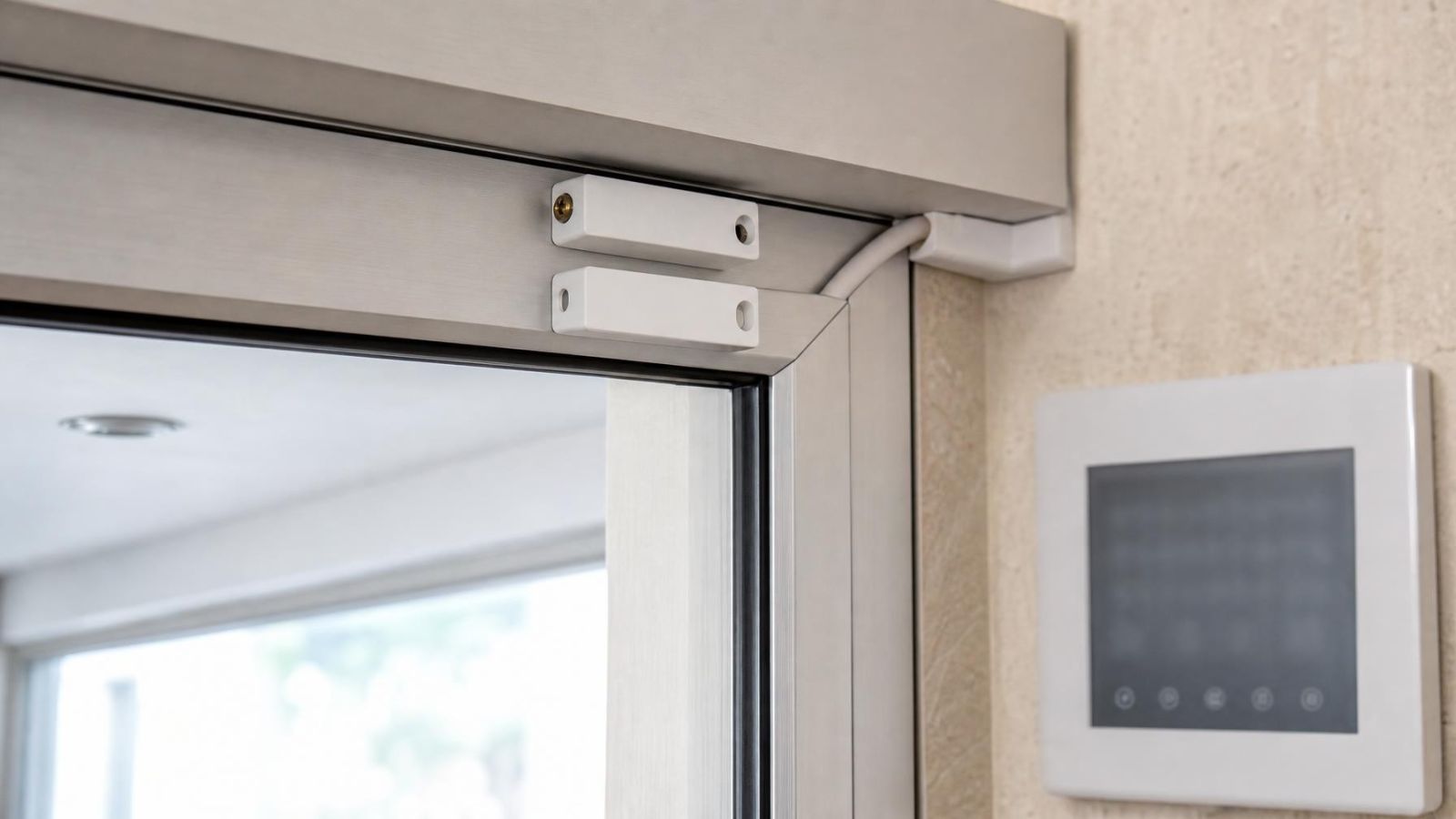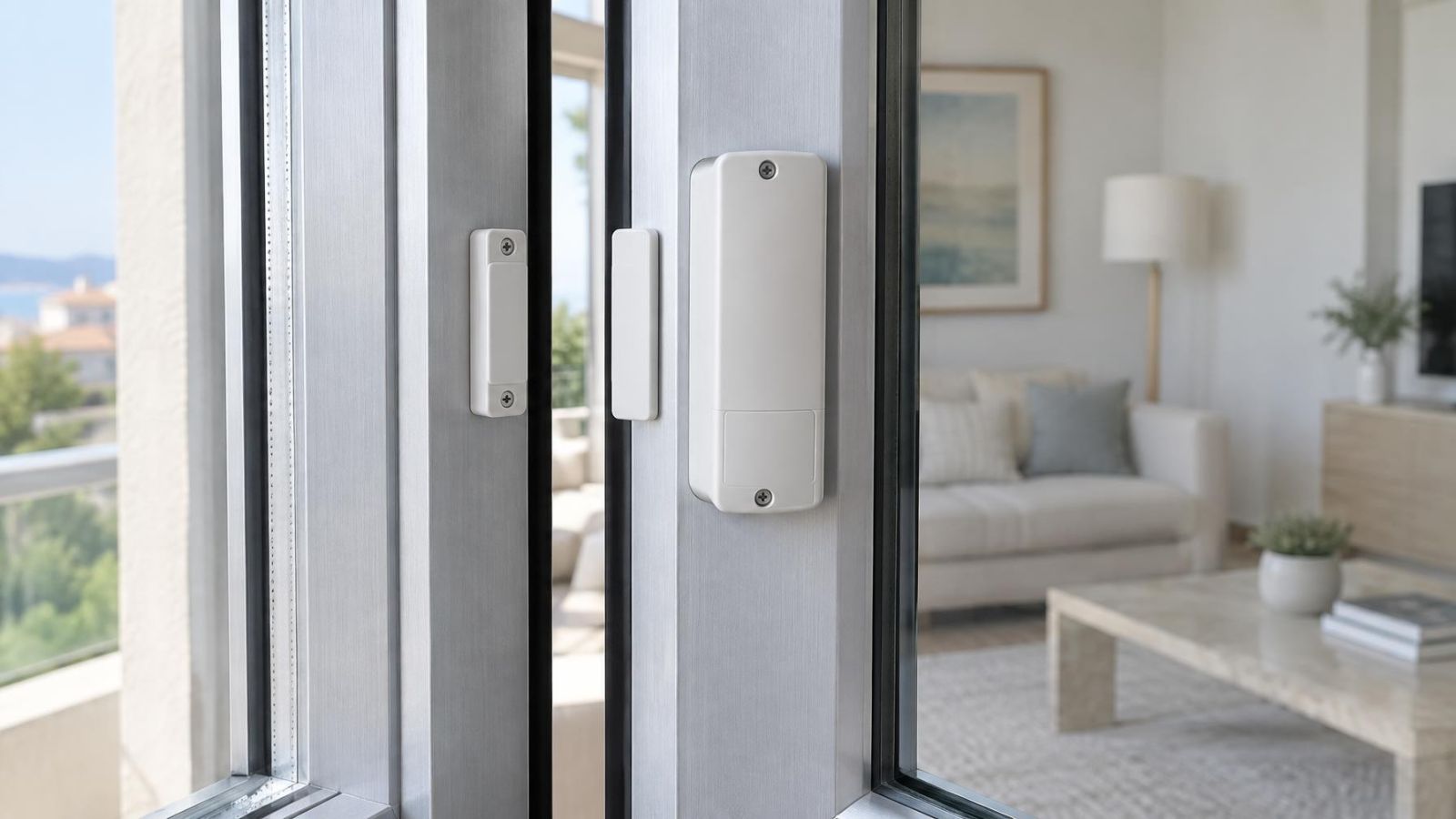
Shock Sensor Versus Contact for Doors and Windows
Choose an opening contact for clear open-or-closed detection, a shock sensor for impact or vibration detection, and both only where the opening, frame and normal use justify layered detection.
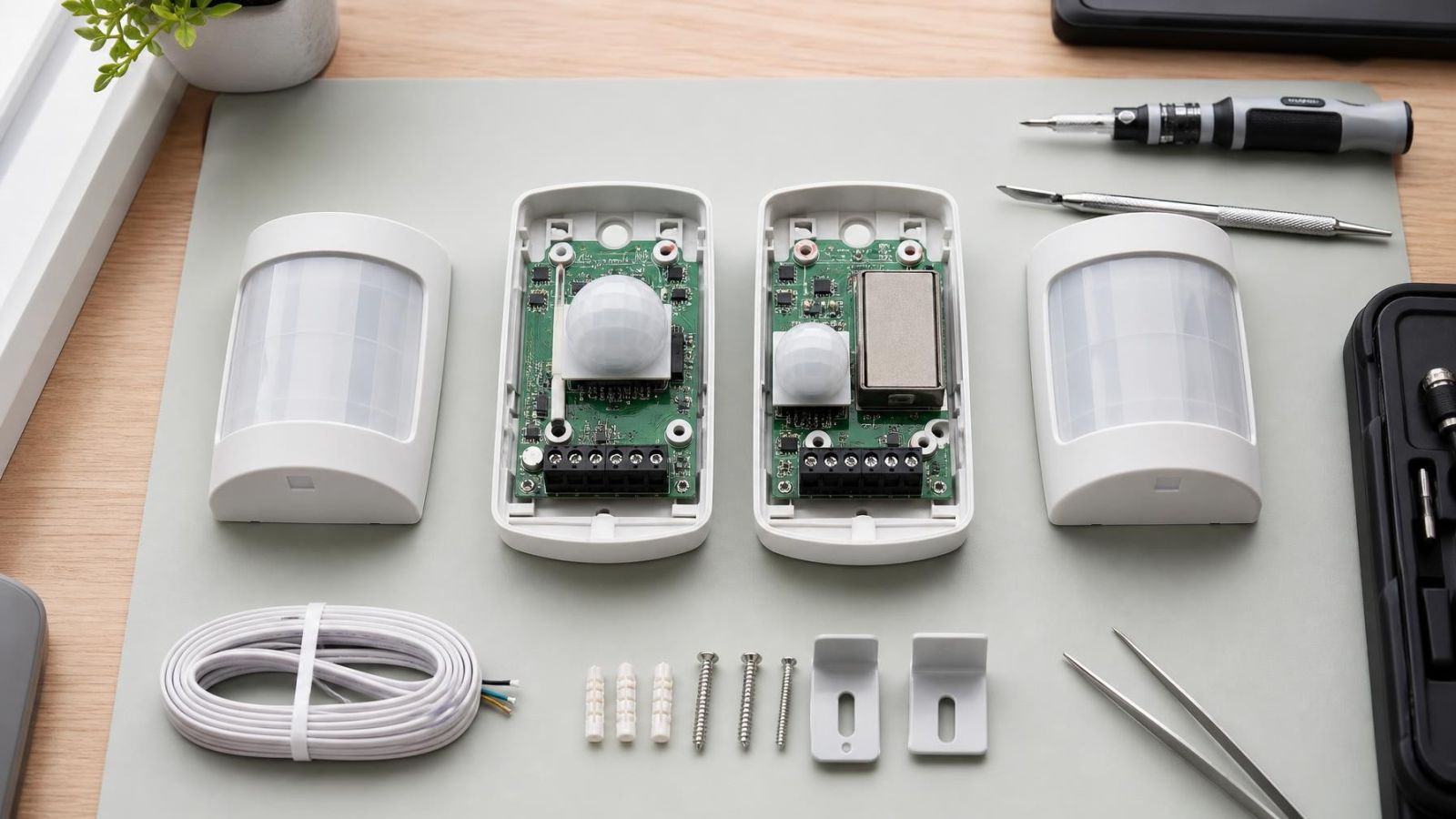
Choose PIR for stable, well-planned rooms. Choose dual technology where sunlight, airflow, pets or complex movement make confirmation from both passive infrared and microwave detection more useful. In either case, correct placement and a thorough walk test matter more than the label on the detector.
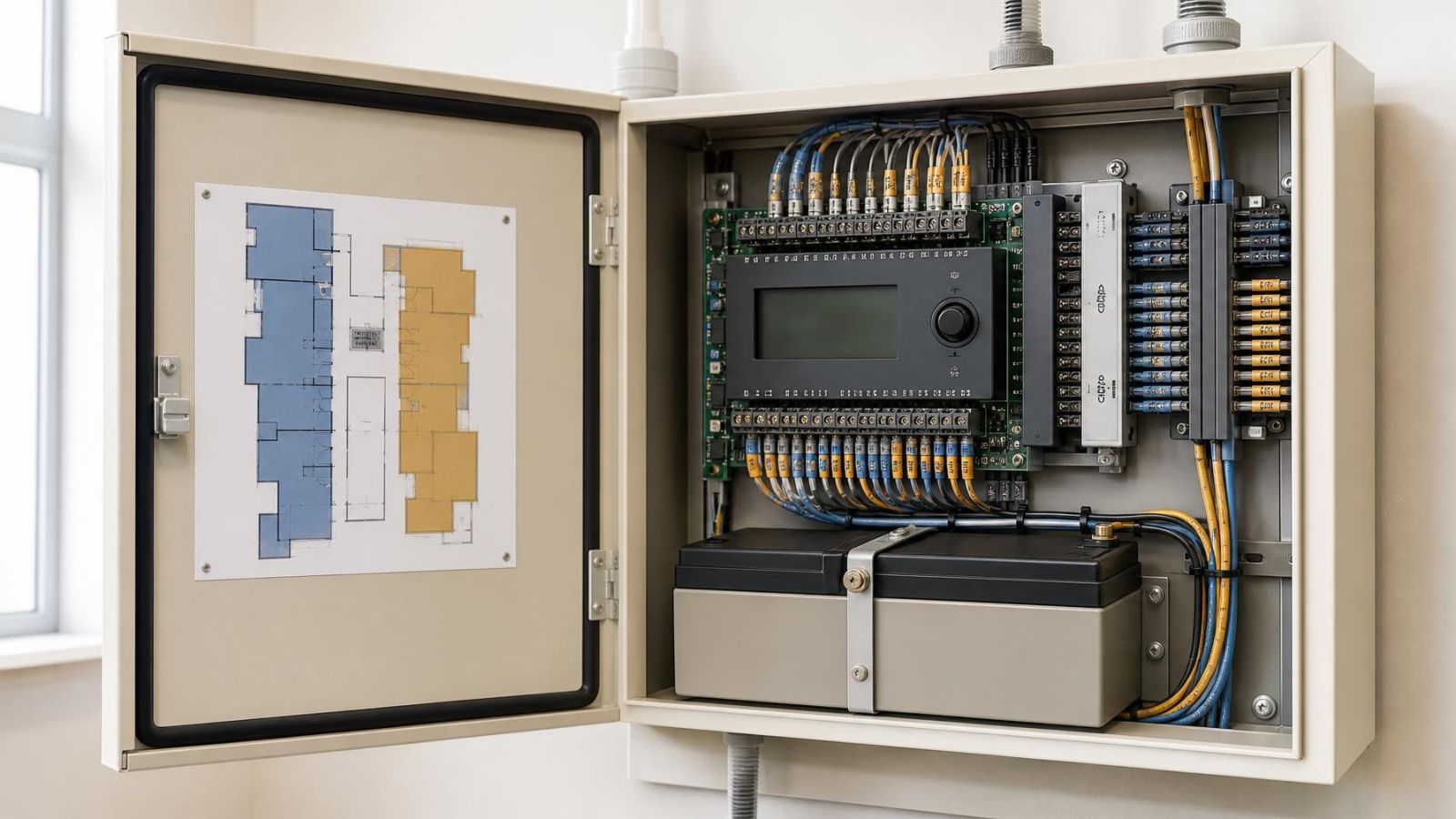
Zones define what each detector or contact does, while partitions define which parts of a property can be armed and controlled independently. A practical design matches both to real movement: who enters, which rooms remain occupied, which areas need separate control, and where entry or exit delays are genuinely required.
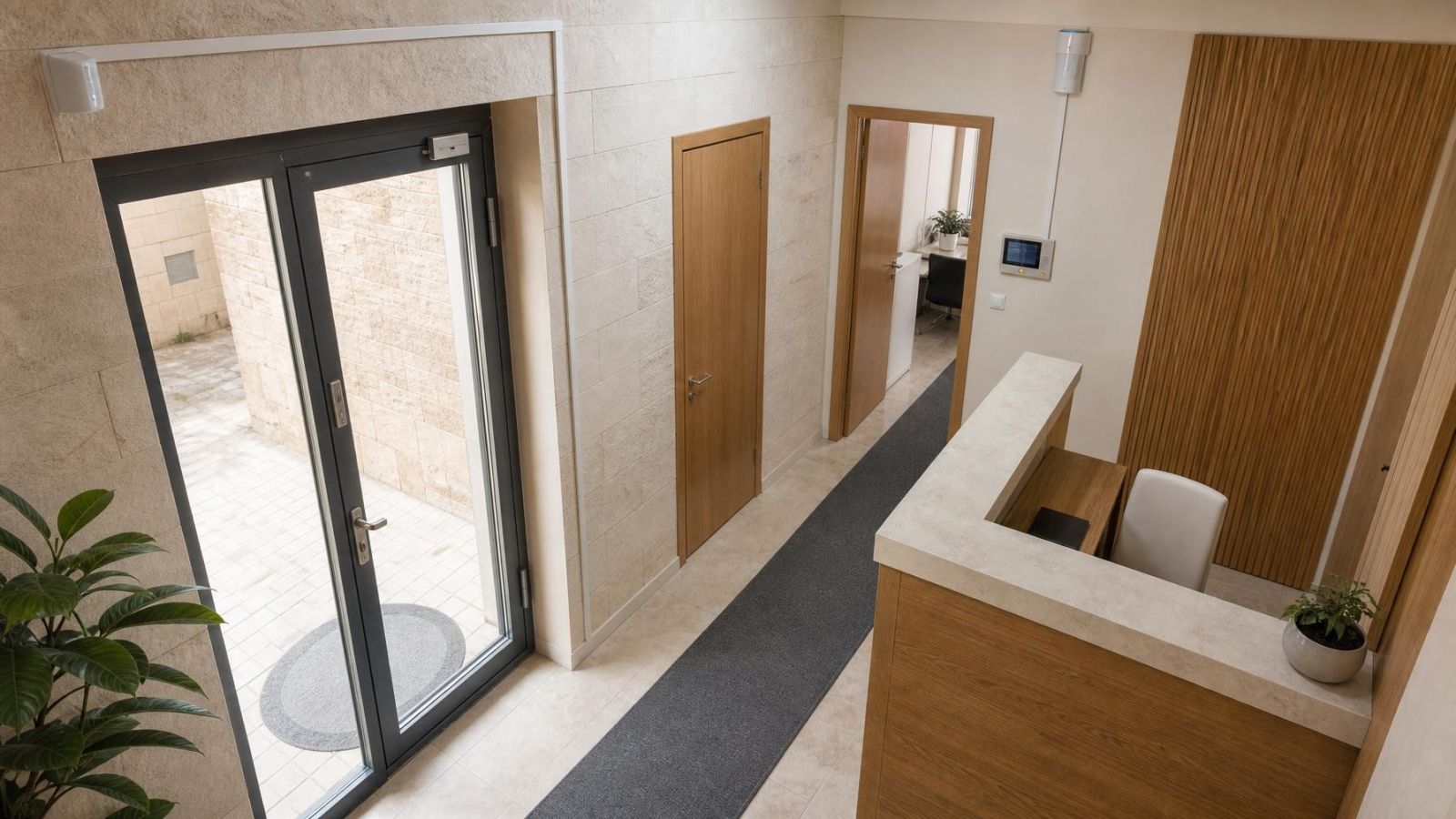
Set entry and exit delays around the route people actually take between the door or gate and the keypad. Give regular users enough time for normal movement, locking and disarming, while keeping unrelated doors, windows and detectors on immediate response.
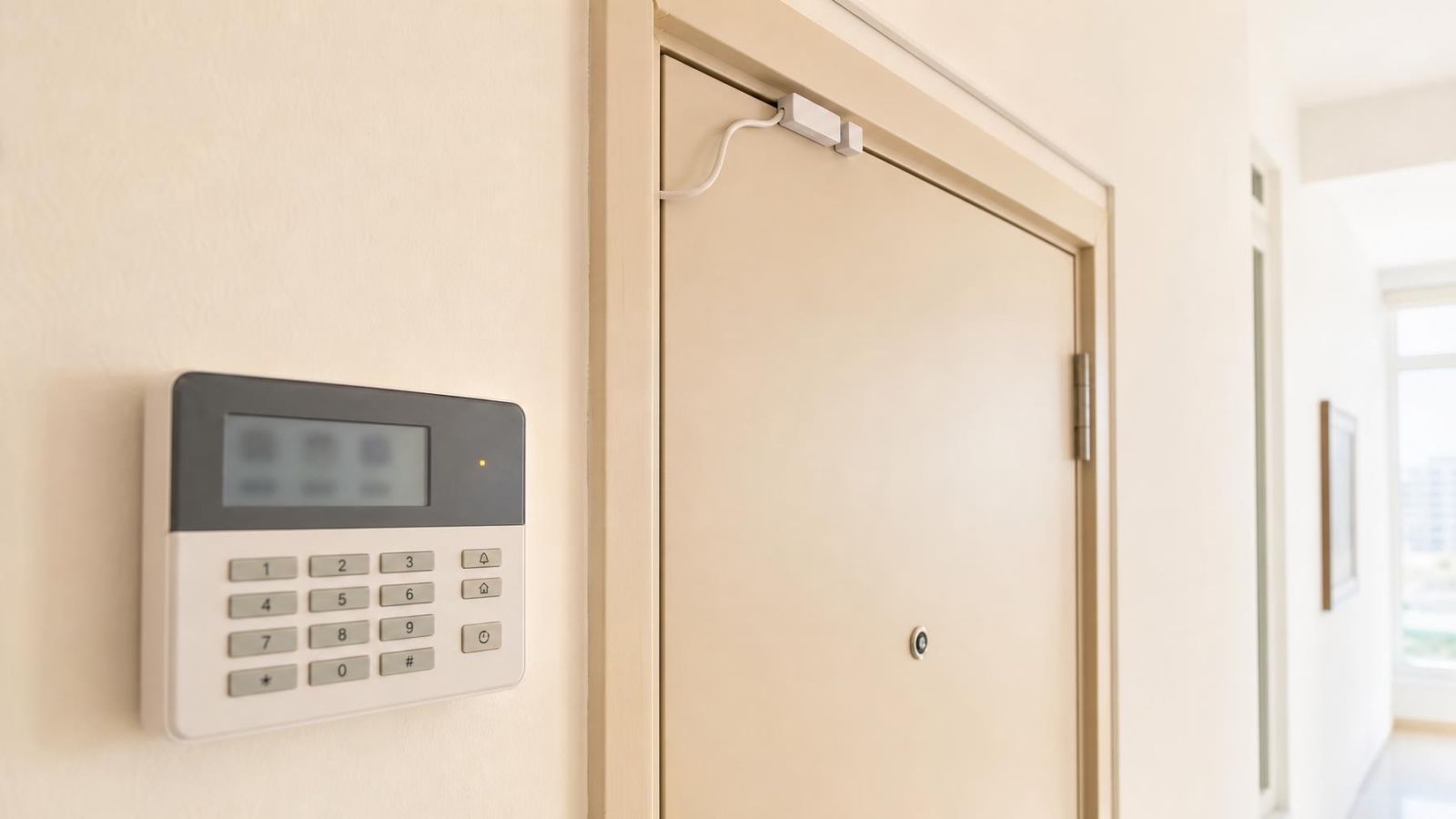
Read the displayed zone number, match it to the relevant door contact, window sensor or detector, and check that the opening is fully closed and the magnetic contact is aligned. If the zone still shows open, record the exact message and arrange diagnosis rather than repeatedly bypassing it.
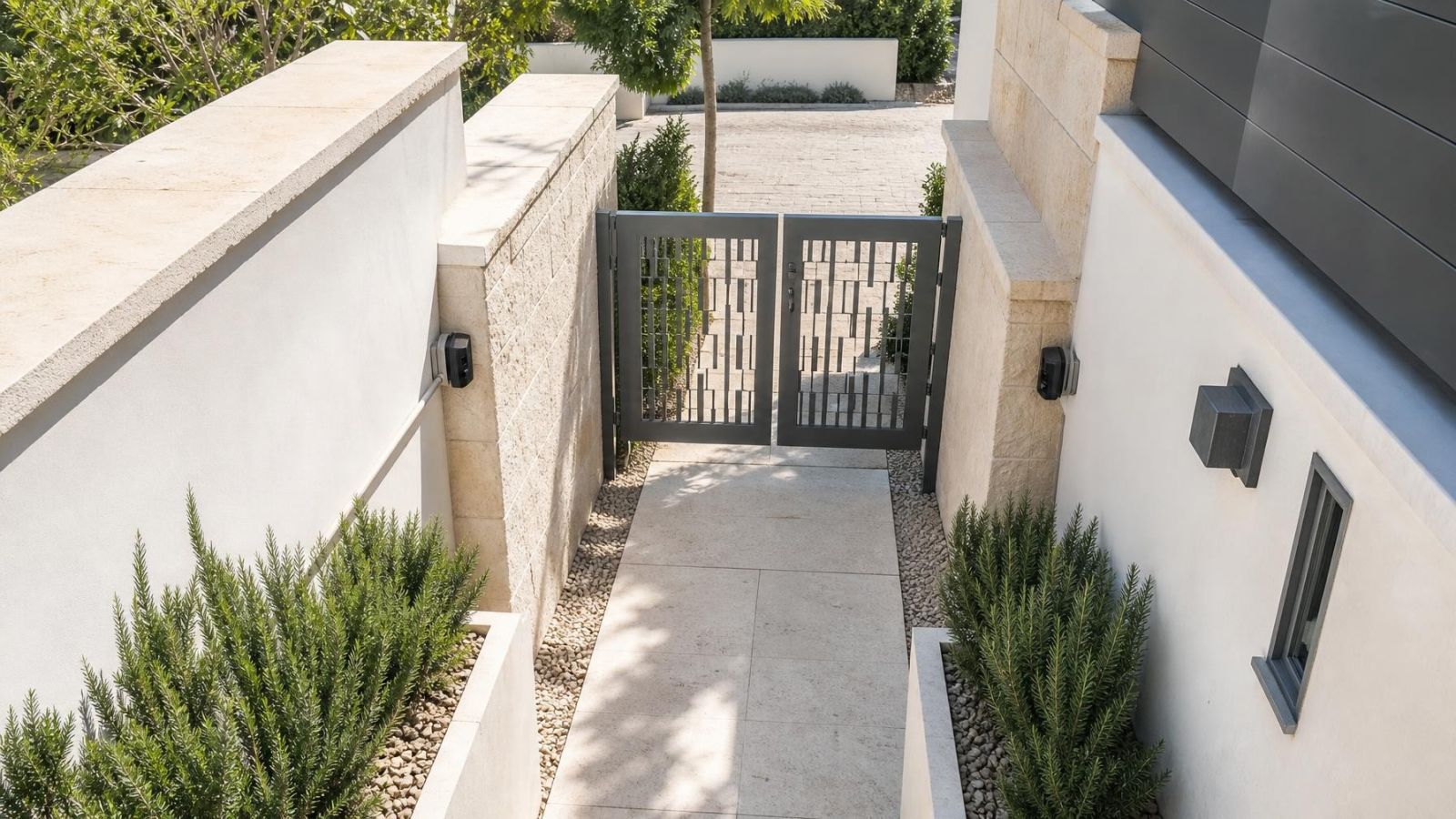
Outdoor alarm detection works best at defined approach routes, gates, side passages and contained outdoor areas. Each sensor should match the movement and physical shape of its detection zone, while placement must account for sunlight, plants, animals, weather and normal daily access.
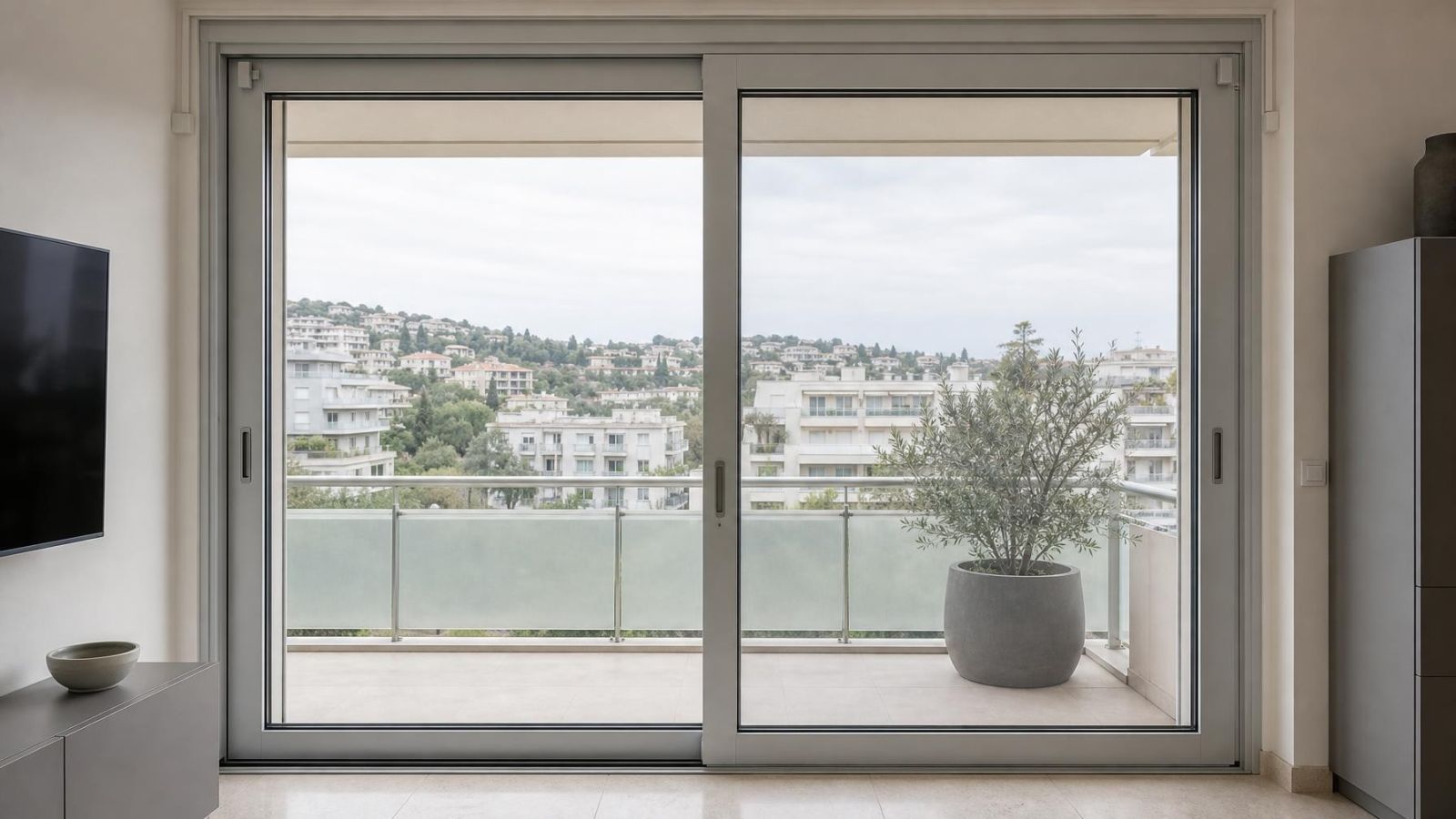
Install each contact across a fixed part and a moving part, verify alignment on the actual frame, and plan separate detection for every sliding panel or shutter movement that must be reported. Test the complete travel of the opening before final fixing.
Diagnose a recurring false alarm by identifying the recorded zone, checking that device and its surroundings, and changing only the cause you can safely reproduce. Separate detection events from power, battery and tamper faults before adjusting sensitivity.
Answer a few questions and get a scoped quote — or talk to an engineer today.