Shock Sensor Versus Contact for Doors and Windows
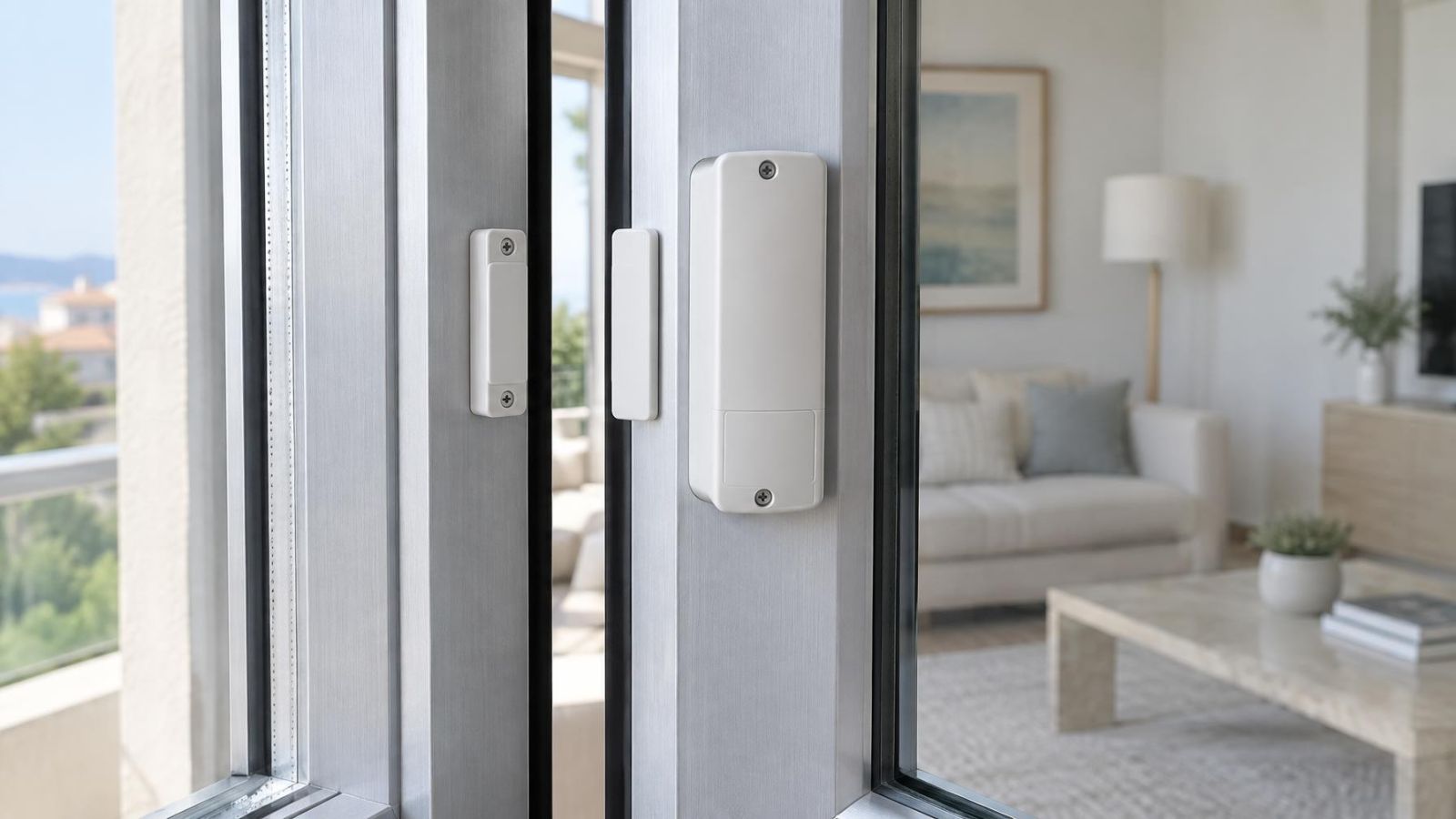
Choose an opening contact for clear open-or-closed detection, a shock sensor for impact or vibration detection, and both only where the opening, frame and normal use justify layered detection.
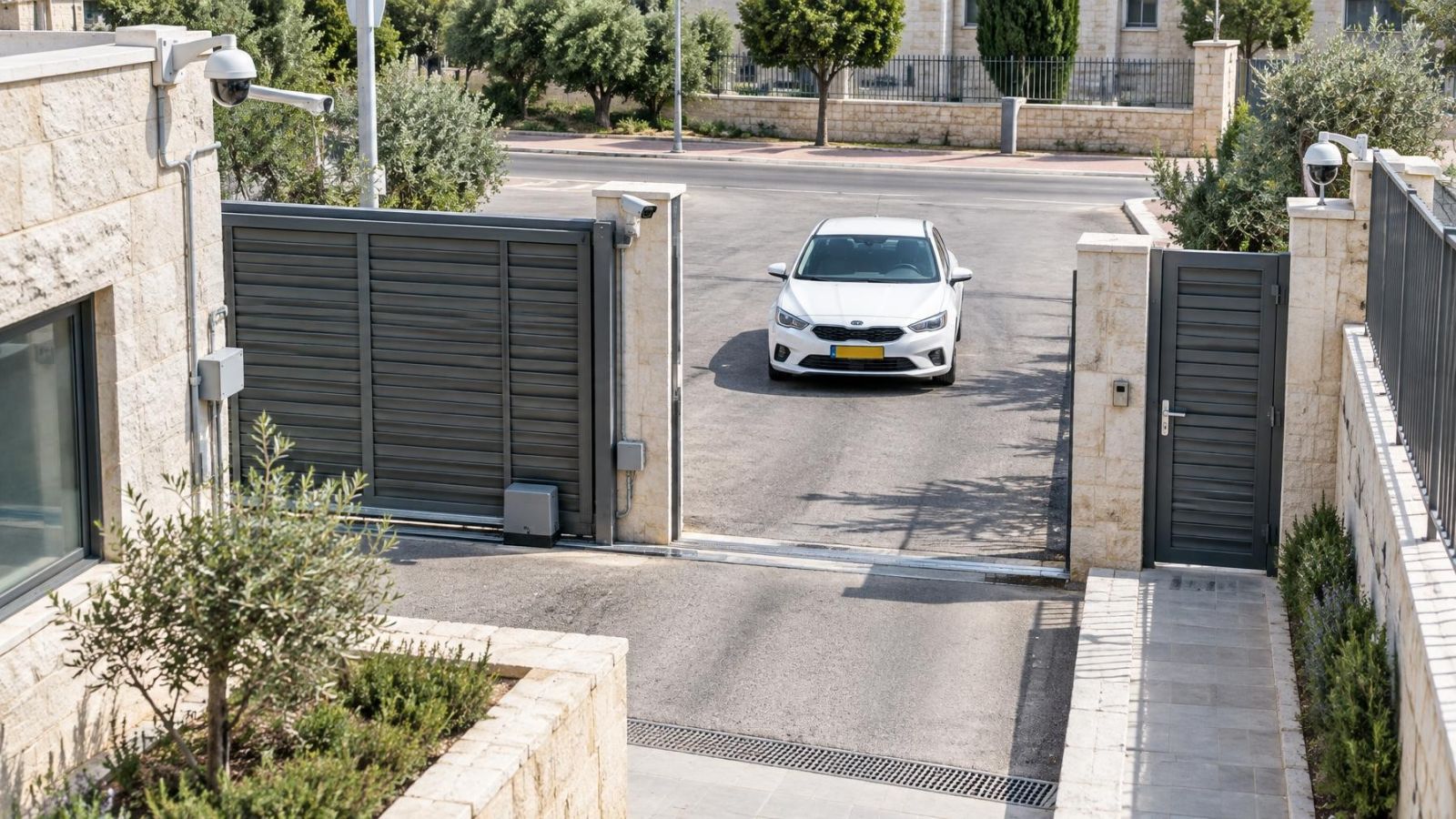
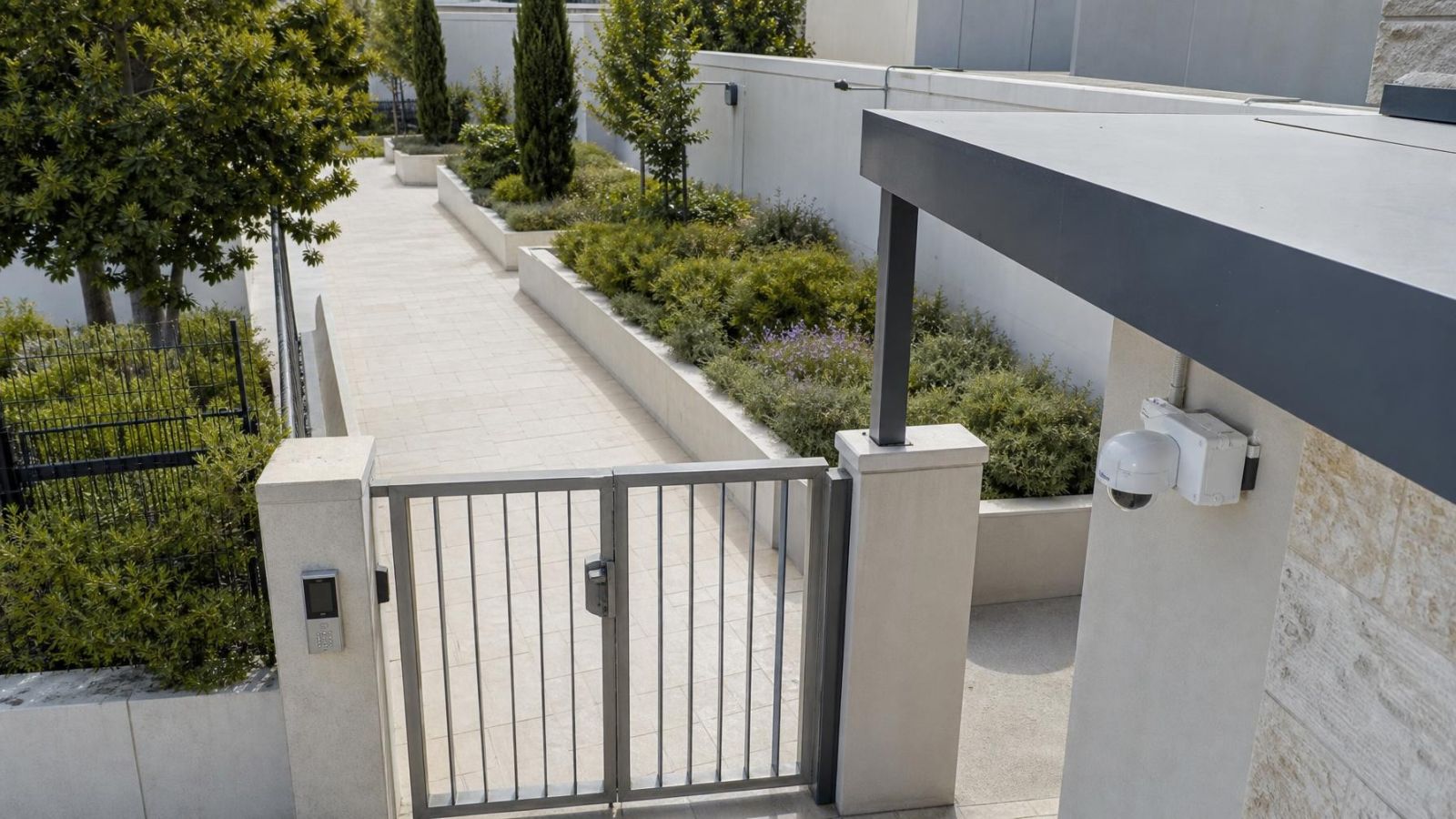
Plan separate views for faces, vehicles and number plates whenever each target needs useful detail. Choose positions and framing around the real pedestrian and vehicle paths, then judge the result from recorded footage made under the actual daylight, darkness, headlights and gate lighting.
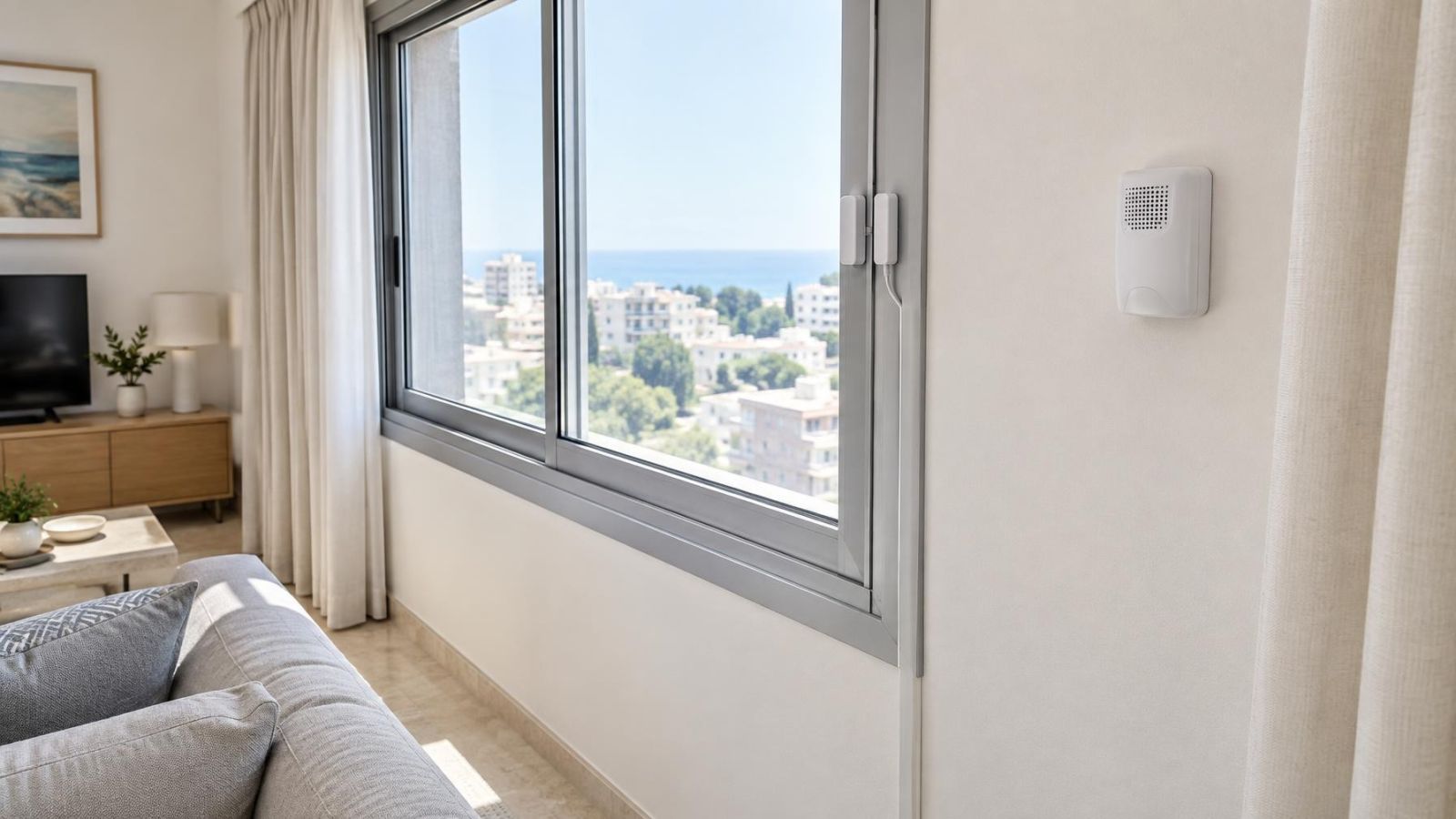
Choose opening contacts to monitor movable windows, acoustic glass-break detectors to monitor exposed glazing, or both when the alarm system should report either opening or breakage. The right choice depends on which parts move, the type of glass, the room layout and how the alarm will be used while people are inside.
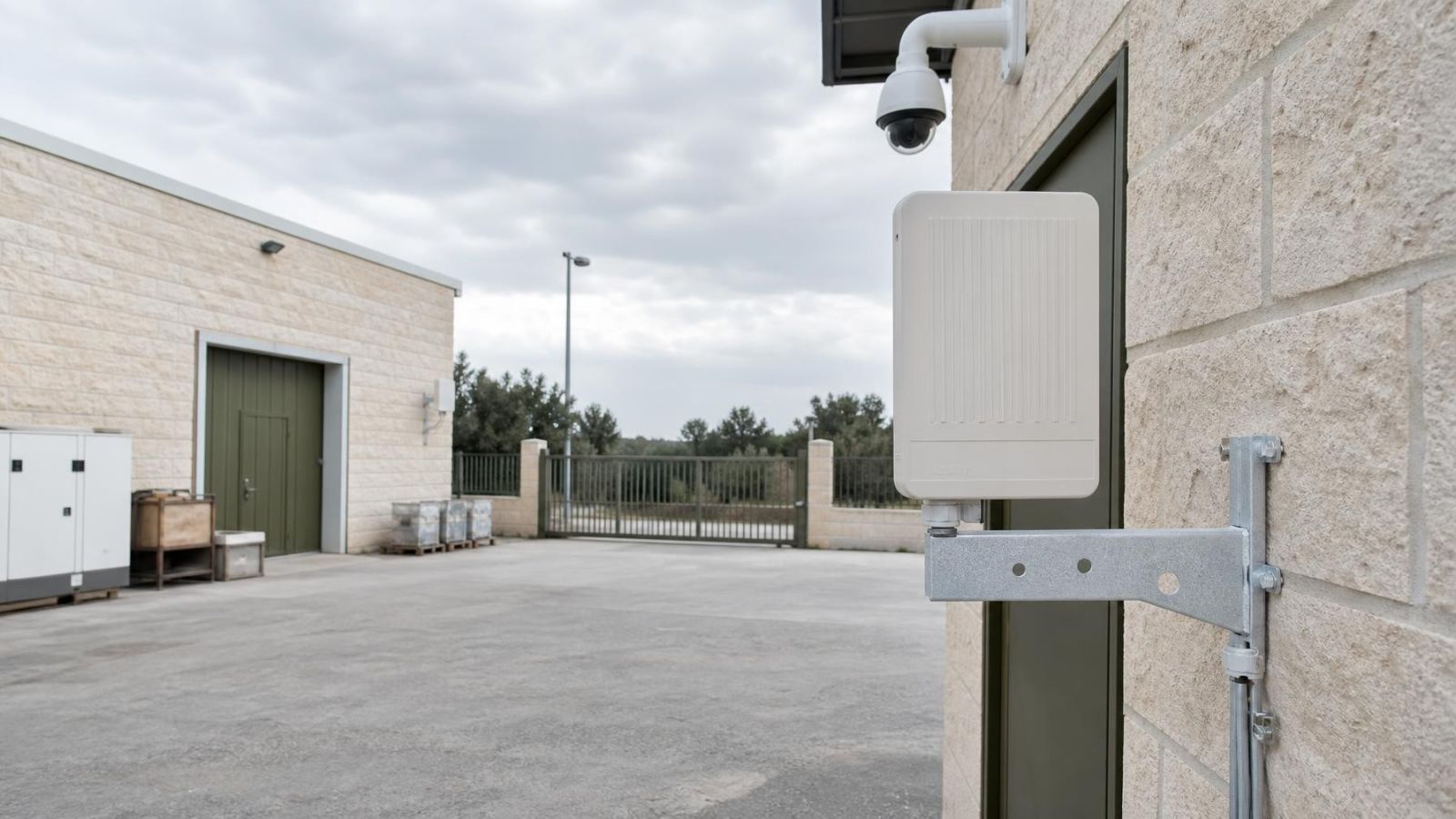
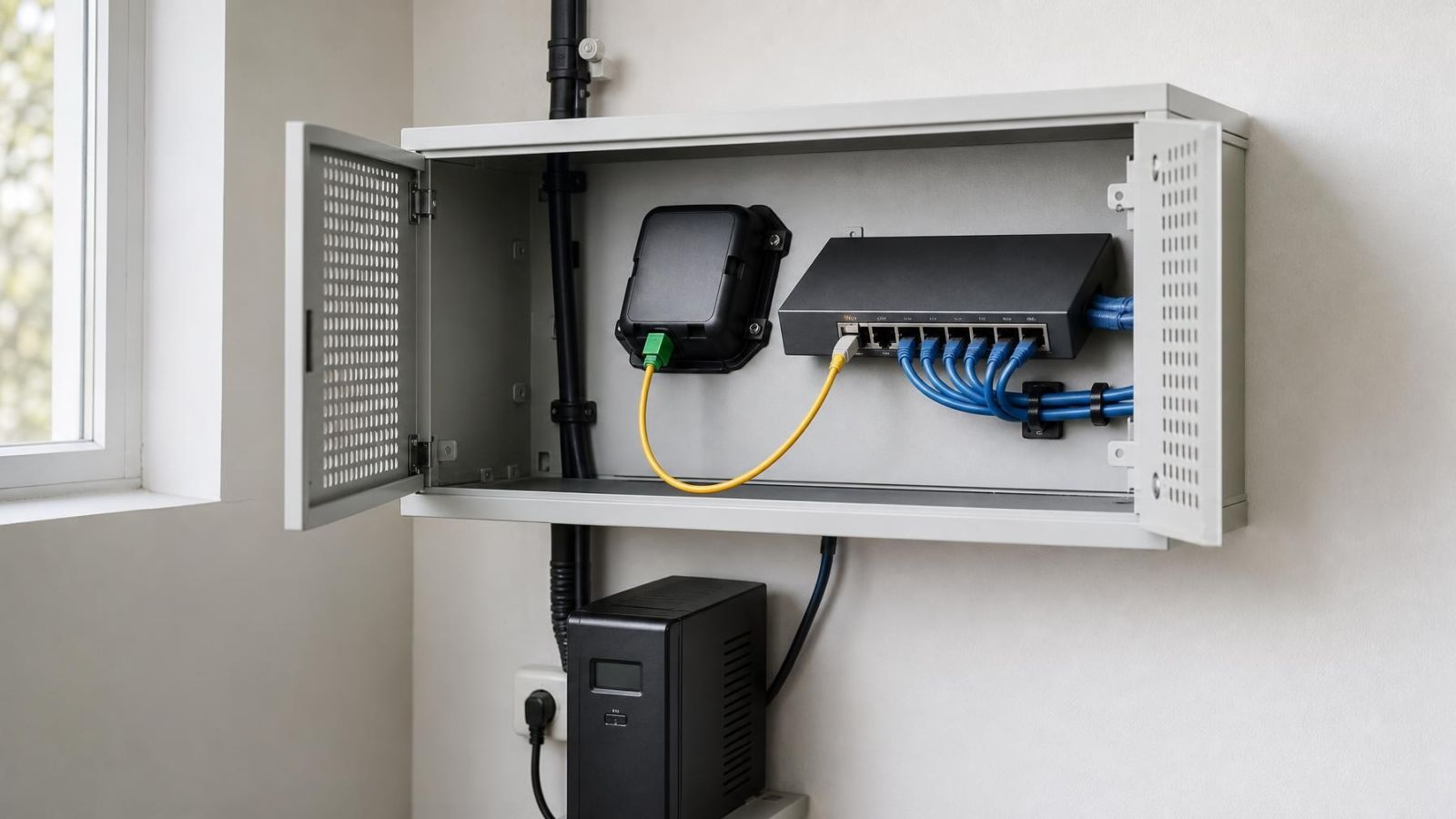
Choose a point-to-point wireless bridge when a gate or detached building needs network access, has local power, has a clear sightline to the main property and lacks a practical cable or fiber route.
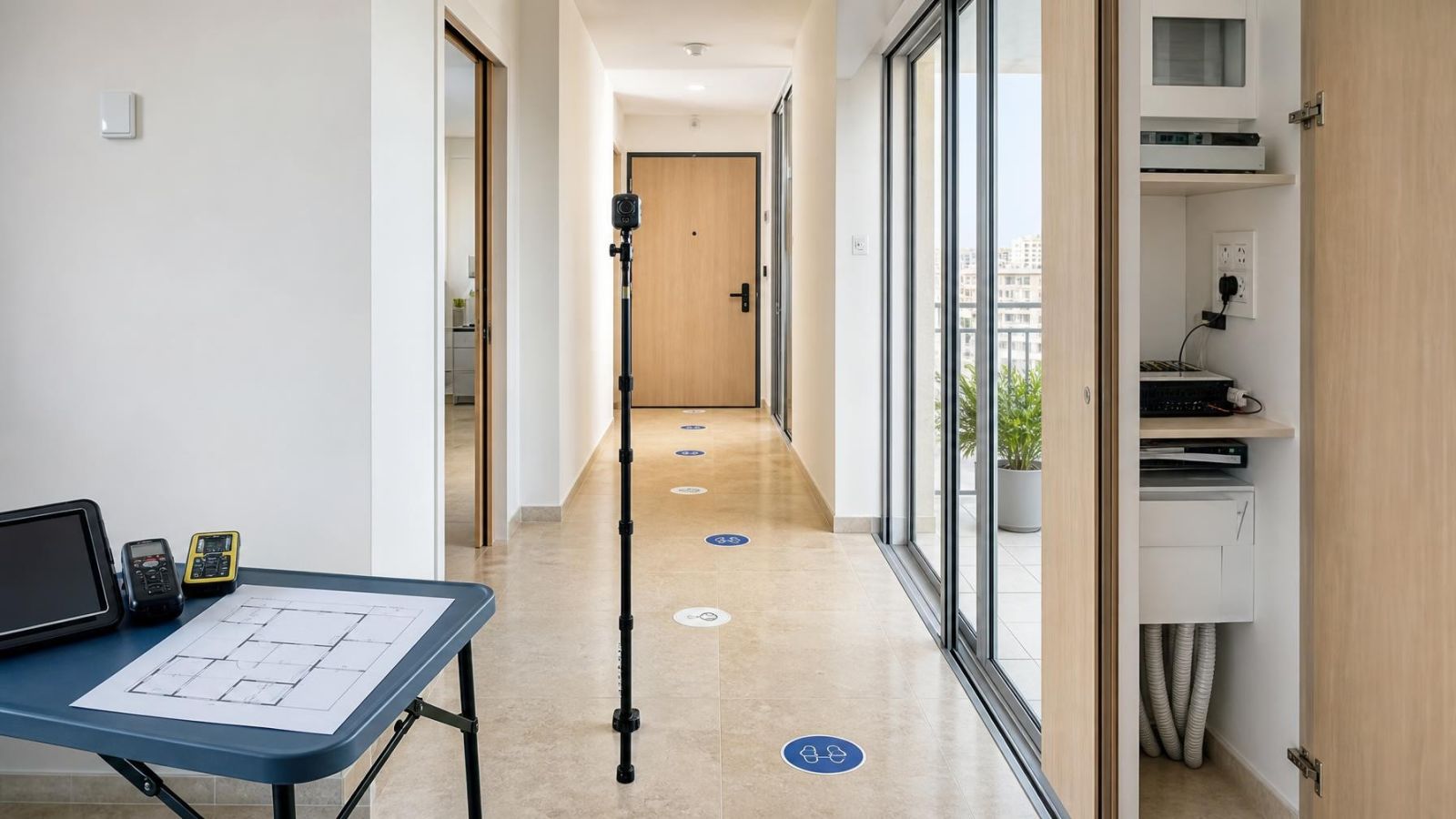
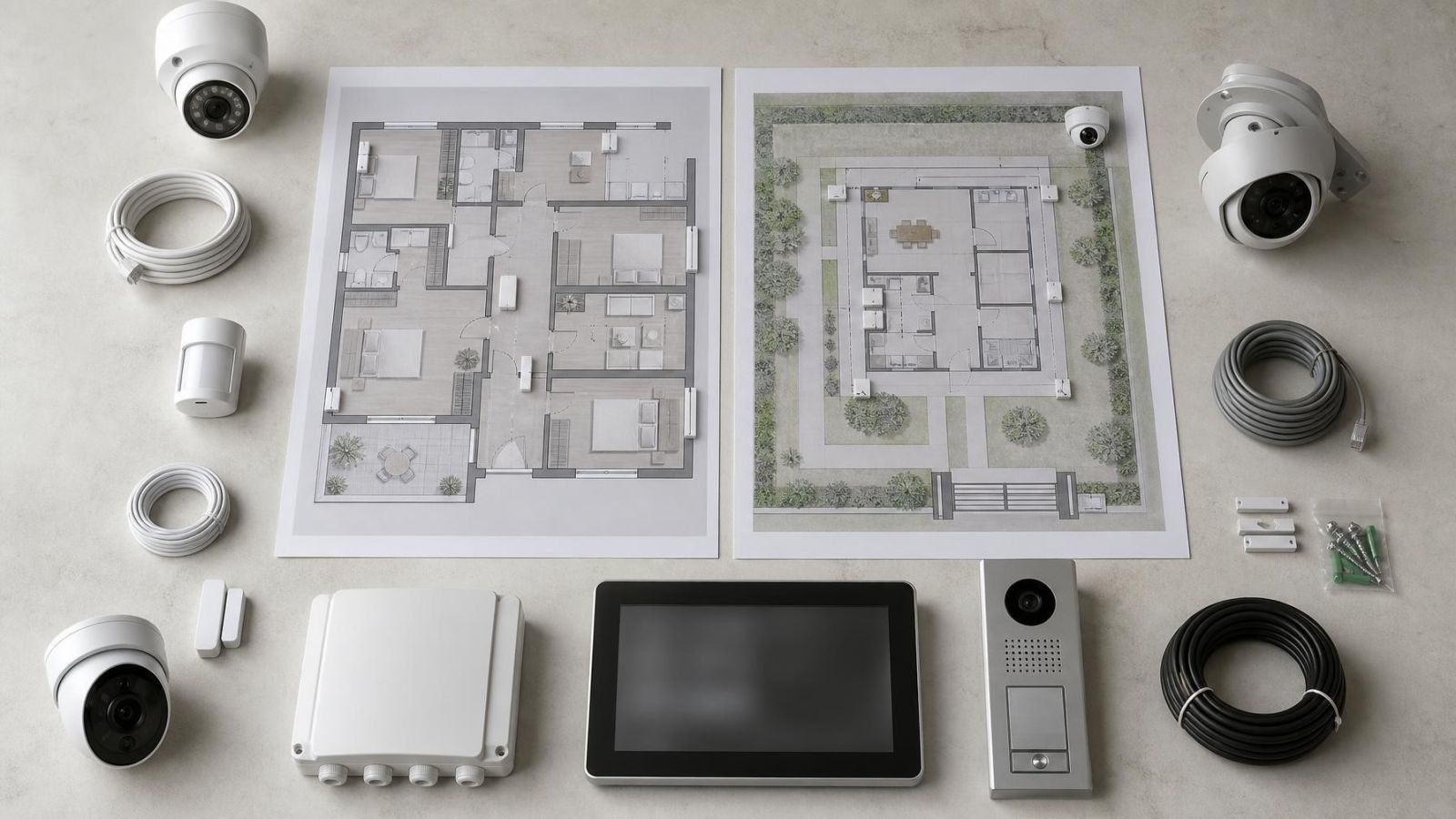
Survey how people use the property, map every relevant access route, test camera views and alarm detection areas under real conditions, and confirm cable, power, network and recording options before choosing equipment.
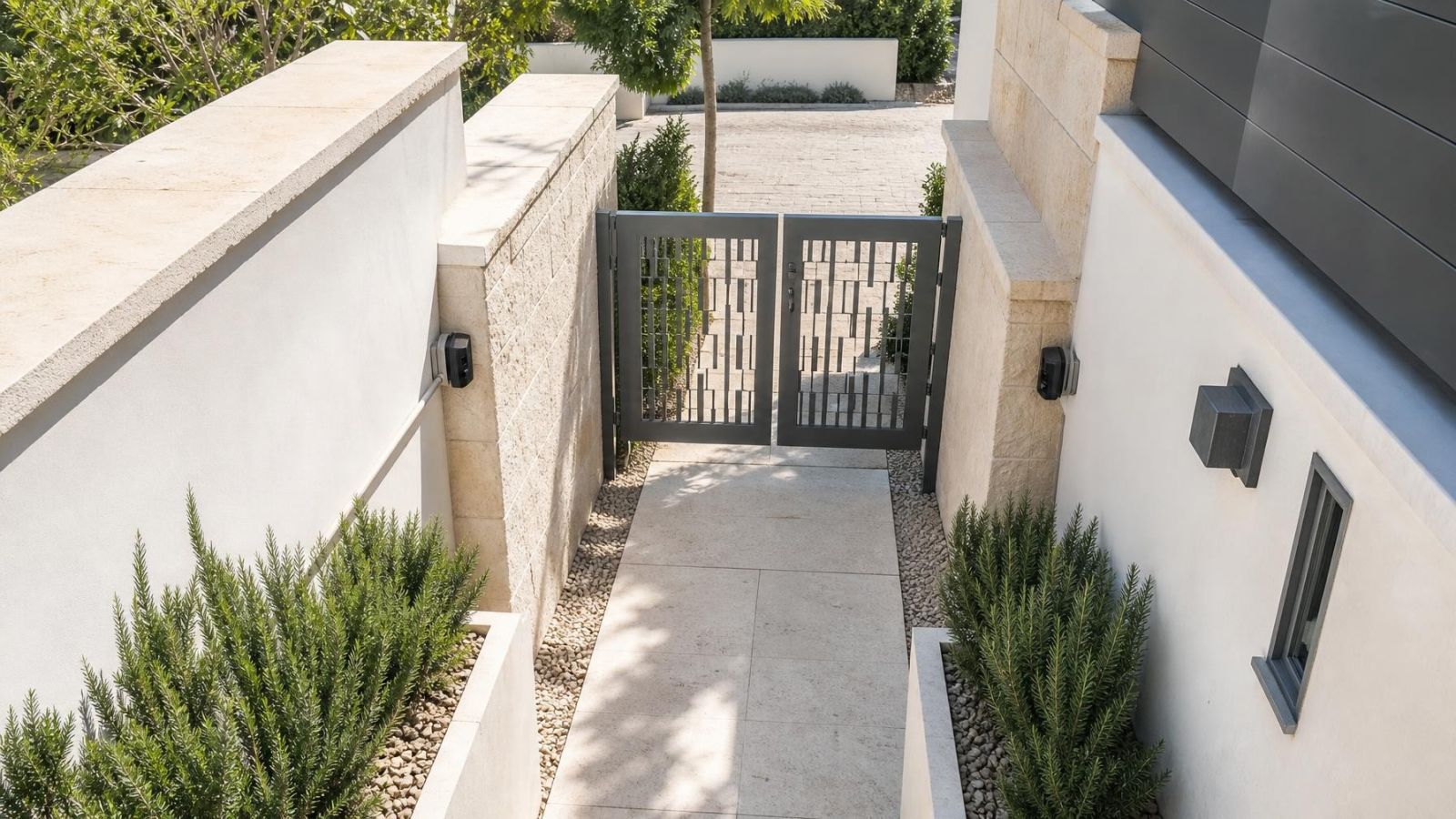
Outdoor alarm detection works best at defined approach routes, gates, side passages and contained outdoor areas. Each sensor should match the movement and physical shape of its detection zone, while placement must account for sunlight, plants, animals, weather and normal daily access.
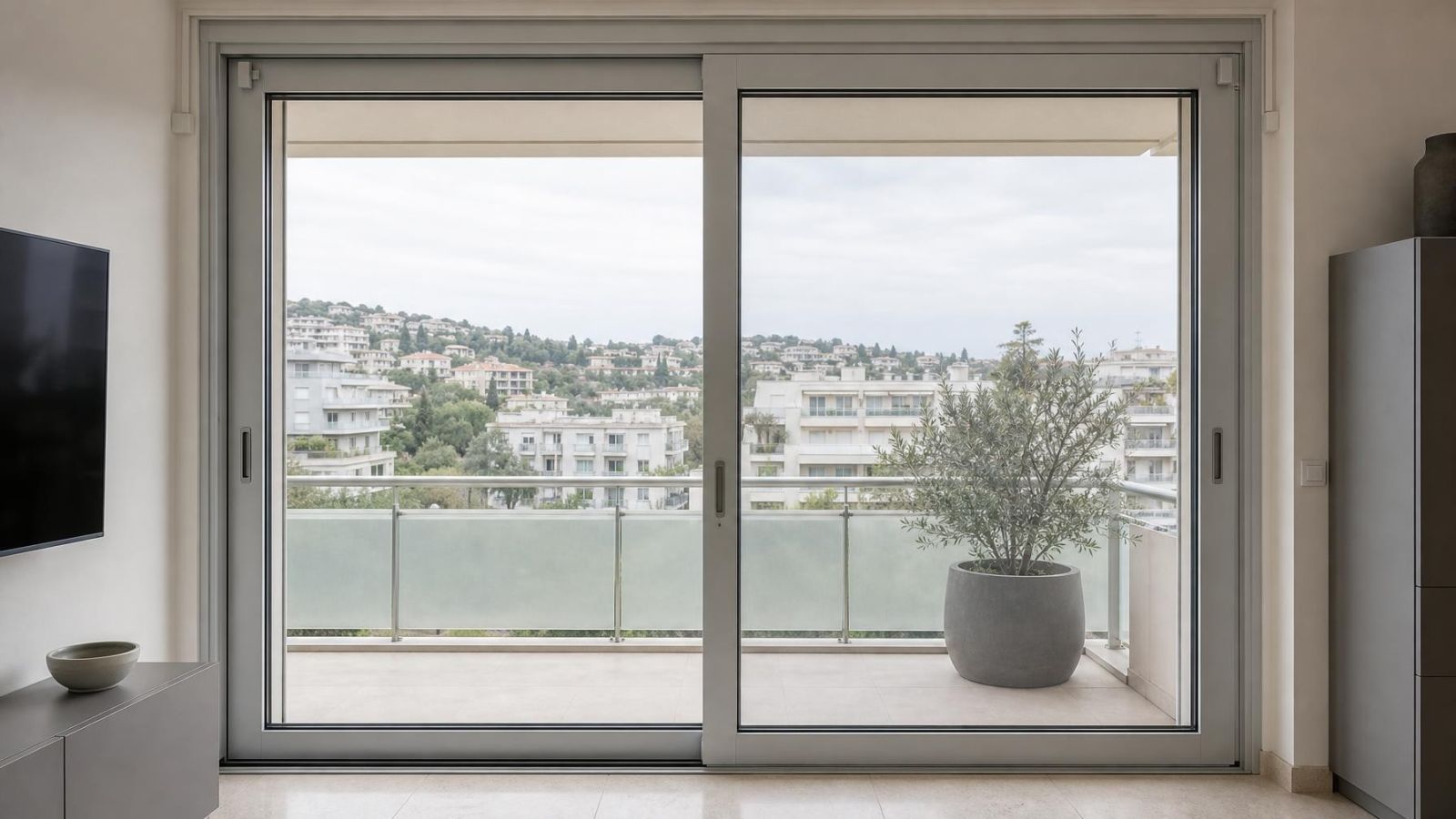
Install each contact across a fixed part and a moving part, verify alignment on the actual frame, and plan separate detection for every sliding panel or shutter movement that must be reported. Test the complete travel of the opening before final fixing.
Your property needs the smallest practical combination of access control, detection and video coverage that matches its entry points, layout, daily routines and alert-response plan. Cameras provide context, detectors provide defined alerts, and intercoms support access decisions.
Choose copper for a simple, suitable route that benefits from network-delivered power. Choose fiber when electrical isolation, route conditions or a remote network point make it the stronger backbone. Fiber still requires power and network equipment at the far end.
Apartment security focuses on the unit entrance, accessible windows, balconies and shared approach. A private home adds the garden, gate, exterior routes and building perimeter as distinct planning layers, requiring broader camera coverage, more opening points and coordinated outdoor, interior and perimeter detection.
Answer a few questions and get a scoped quote — or talk to an engineer today.