A Small Business Security Plan for a Street-Front Shop
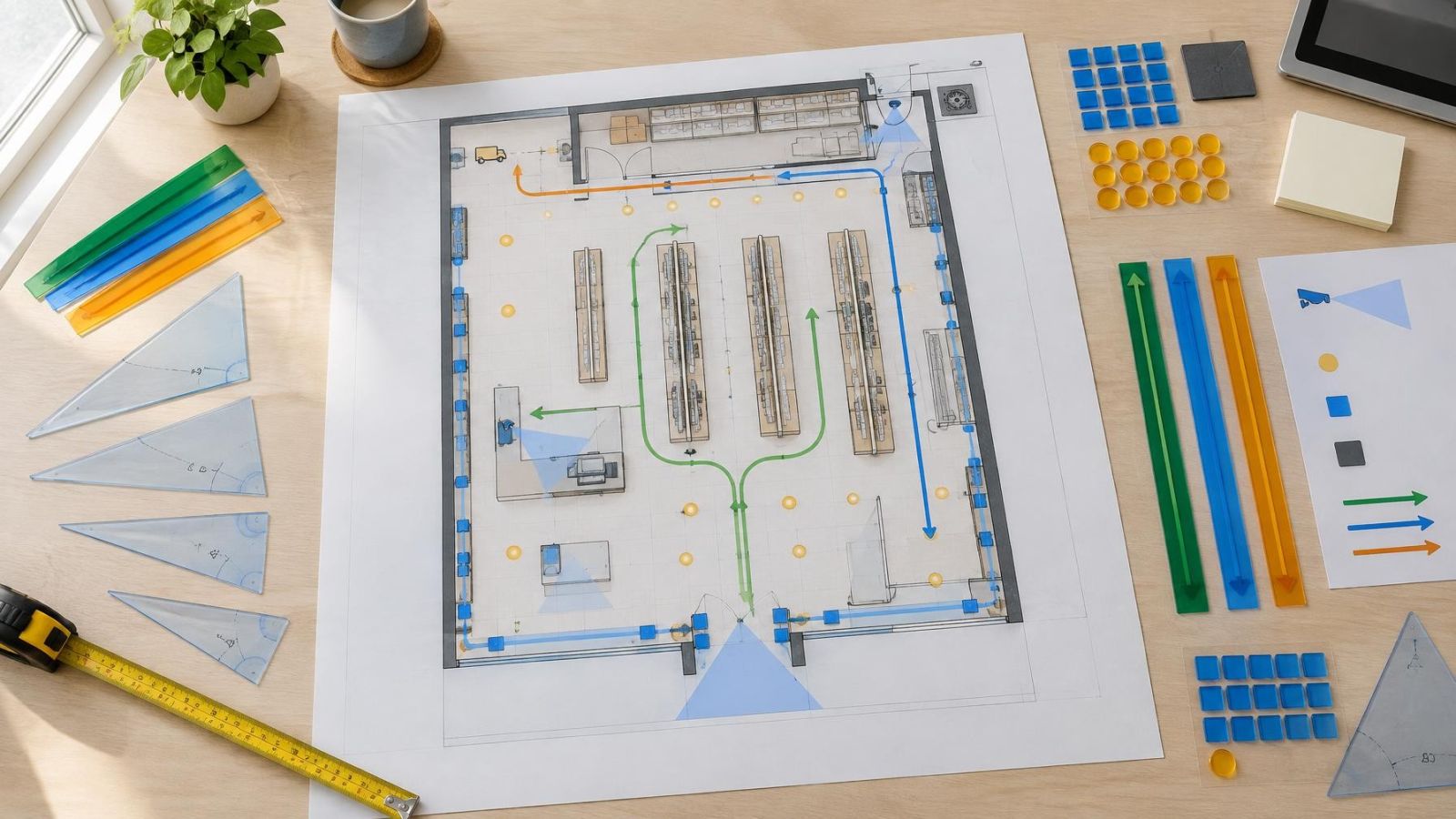
A sound small-business security plan maps entrances, storefront glass, customer and staff routes, stock areas, recording equipment and response responsibilities before any equipment is selected.
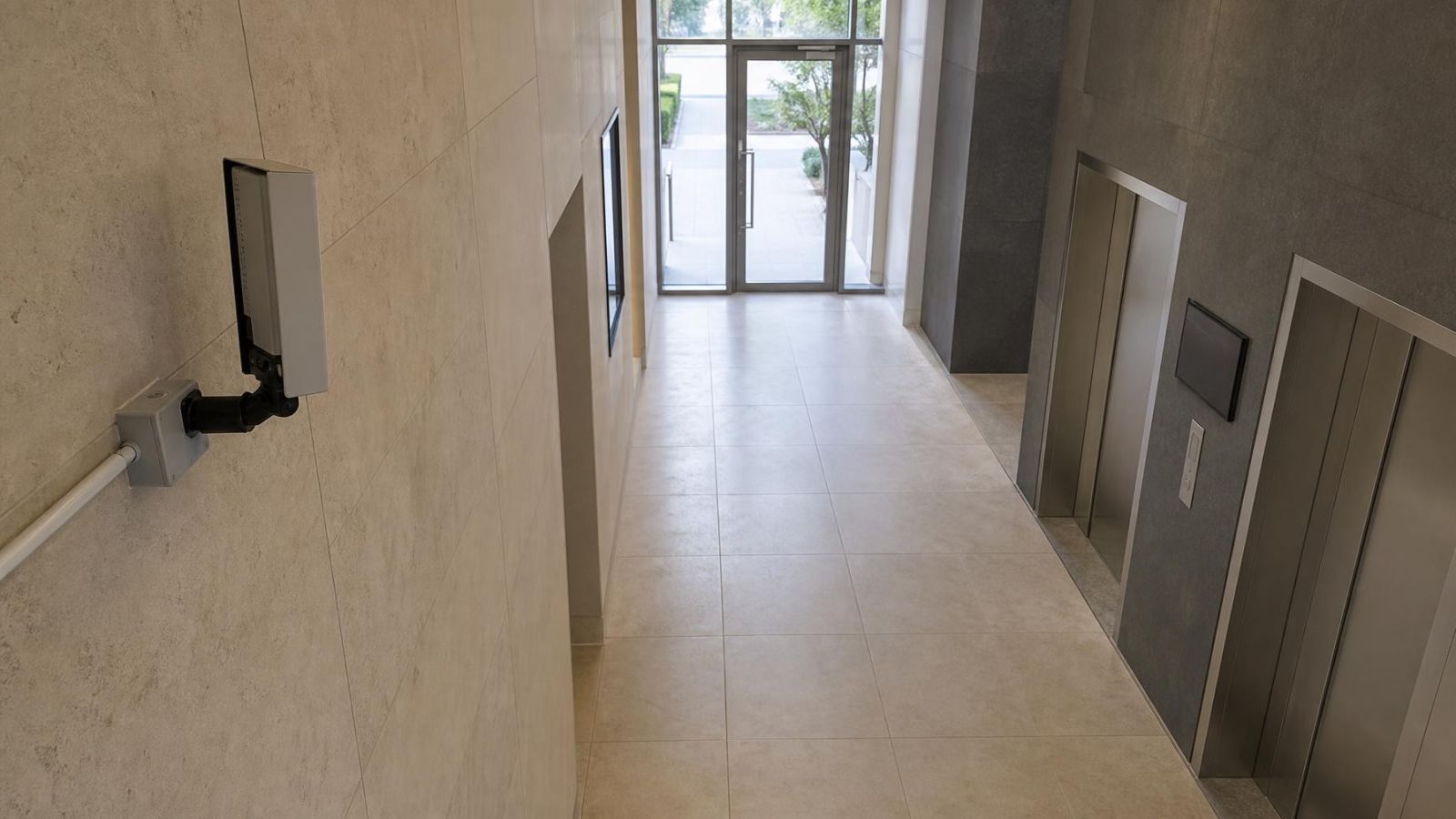
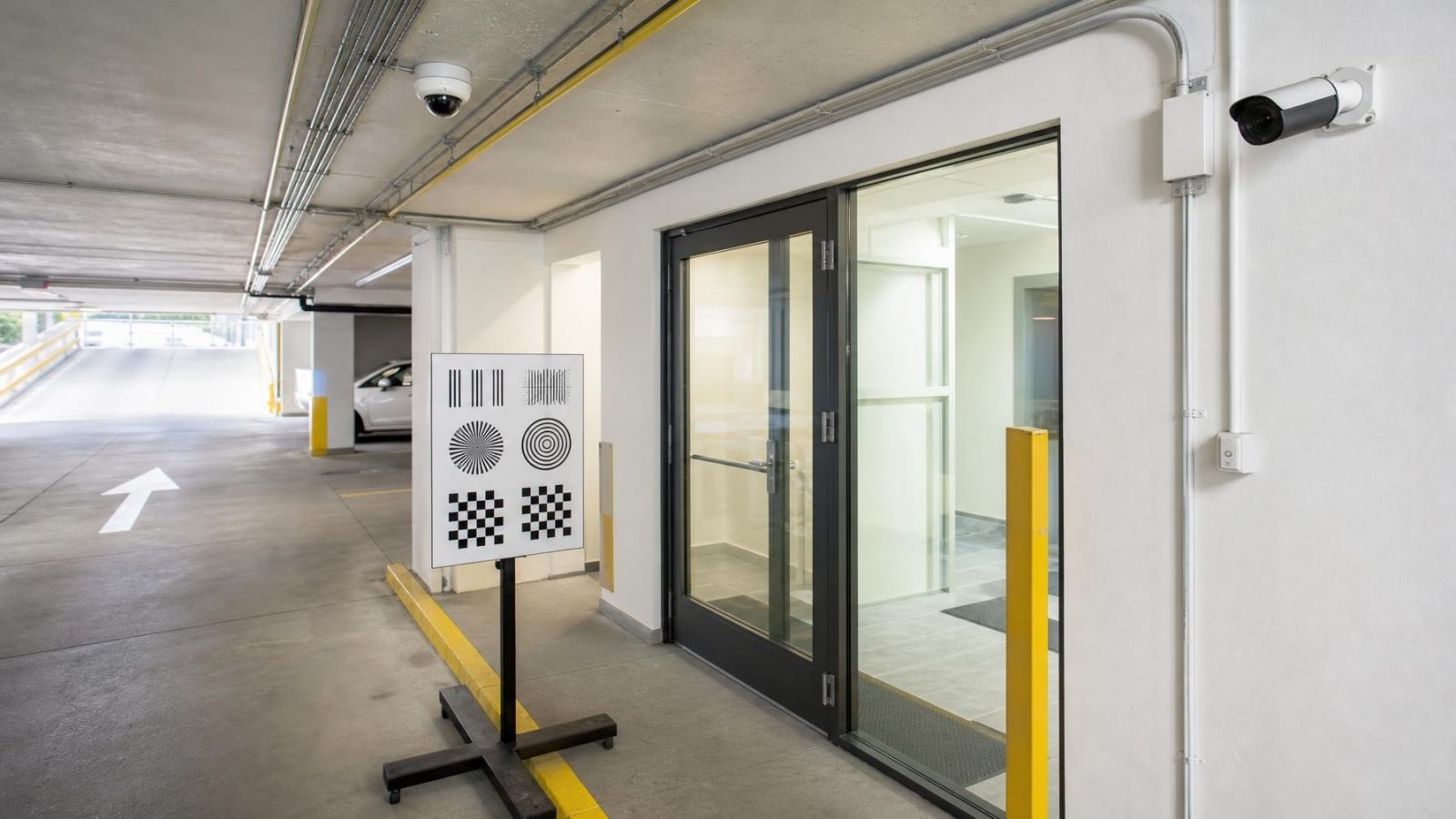
Use corridor view when a narrow entrance or passage needs more useful coverage along its length than across nearby walls. Rotate the camera physically, apply the matching image setting, and confirm the result in live view, recordings and exported footage. Position and lighting still matter more than the software mode alone.
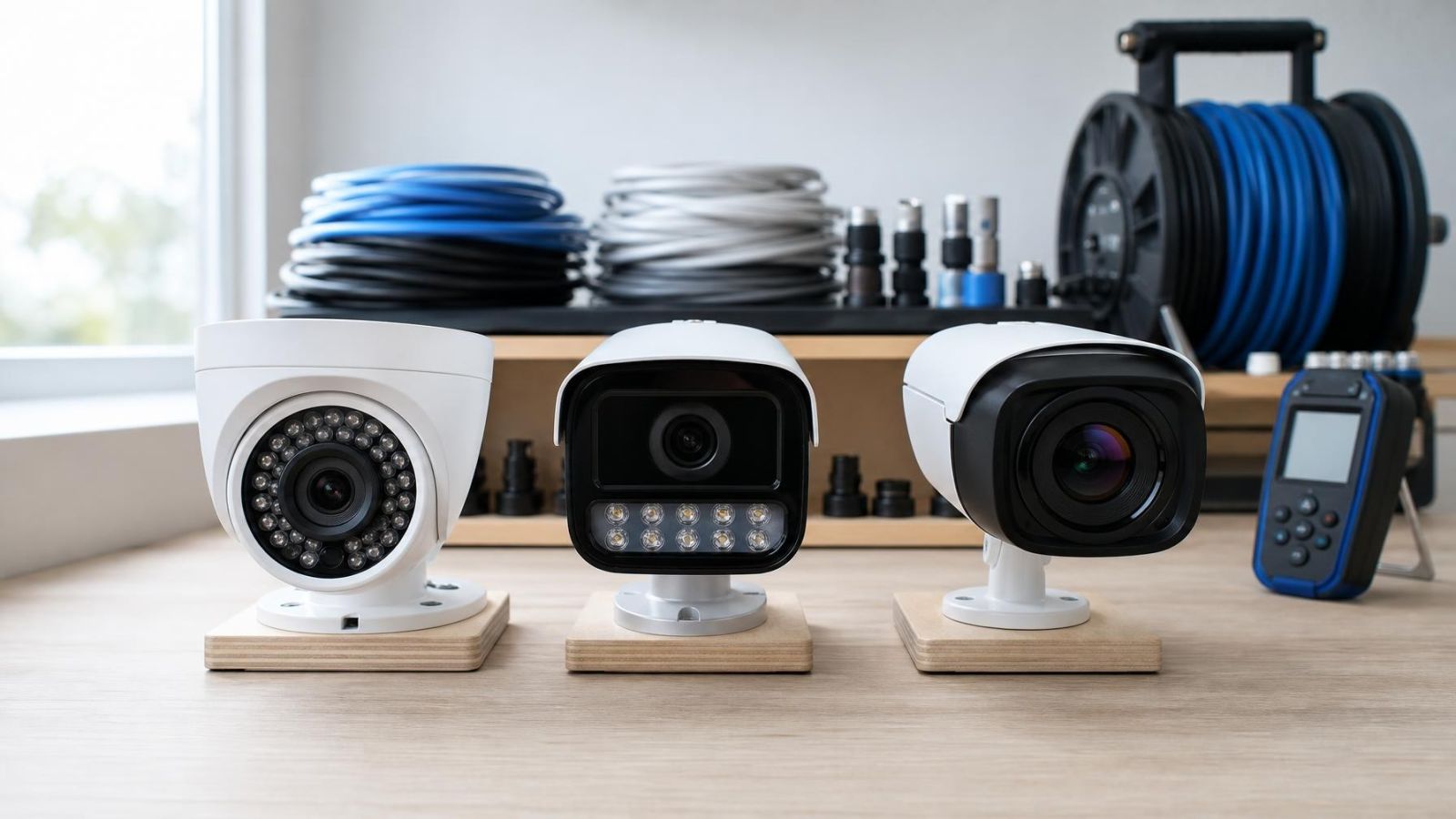
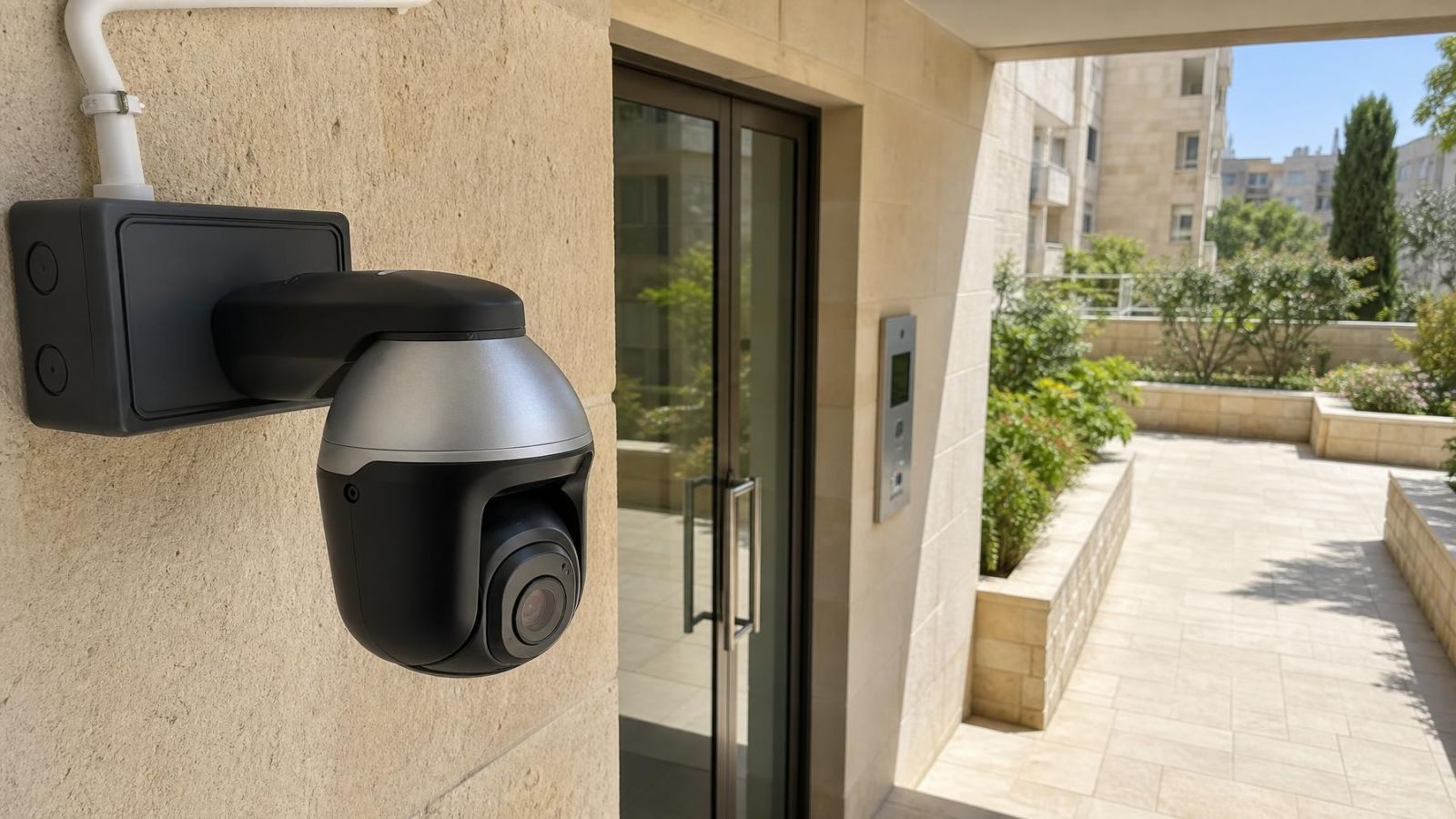
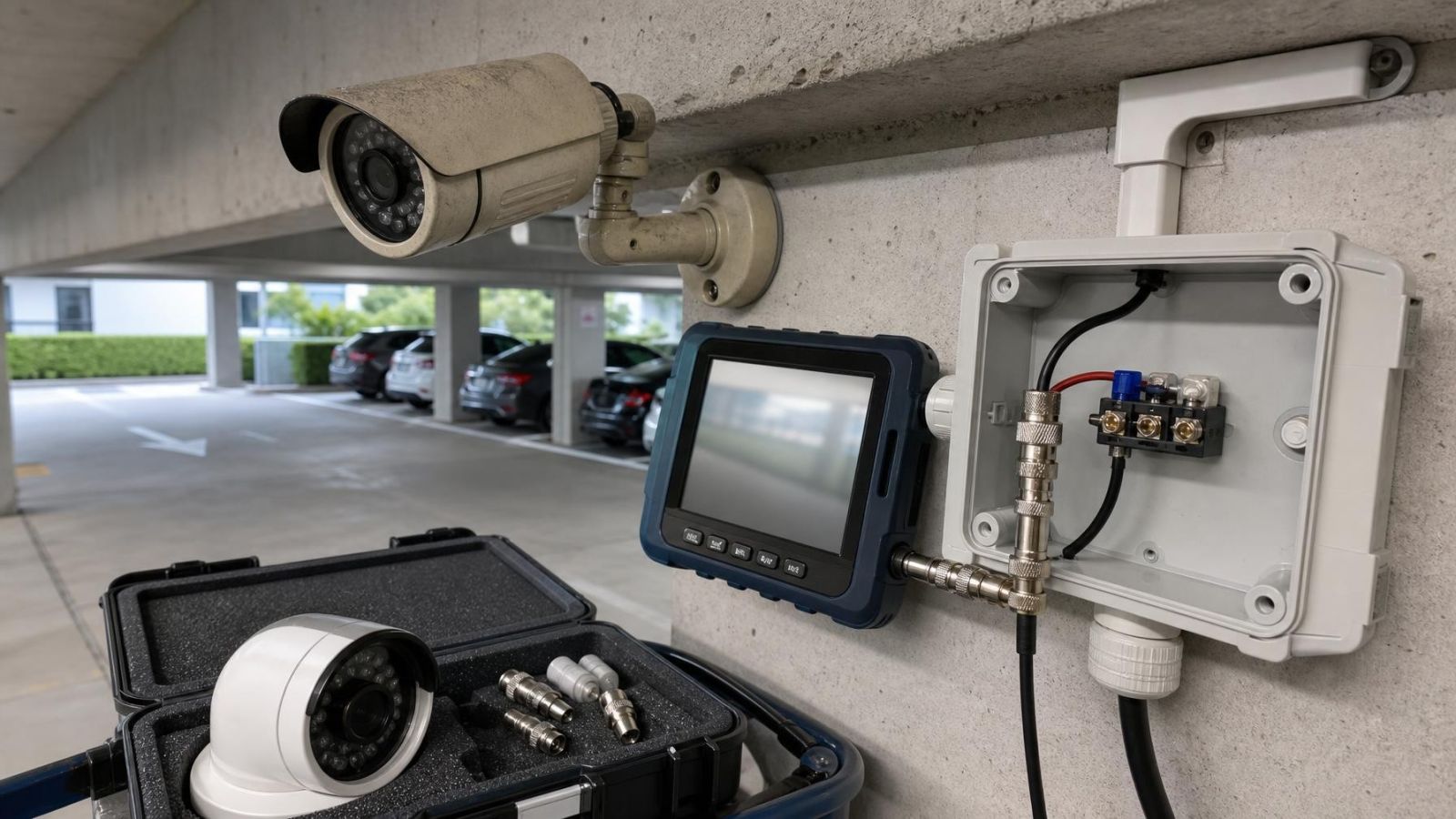
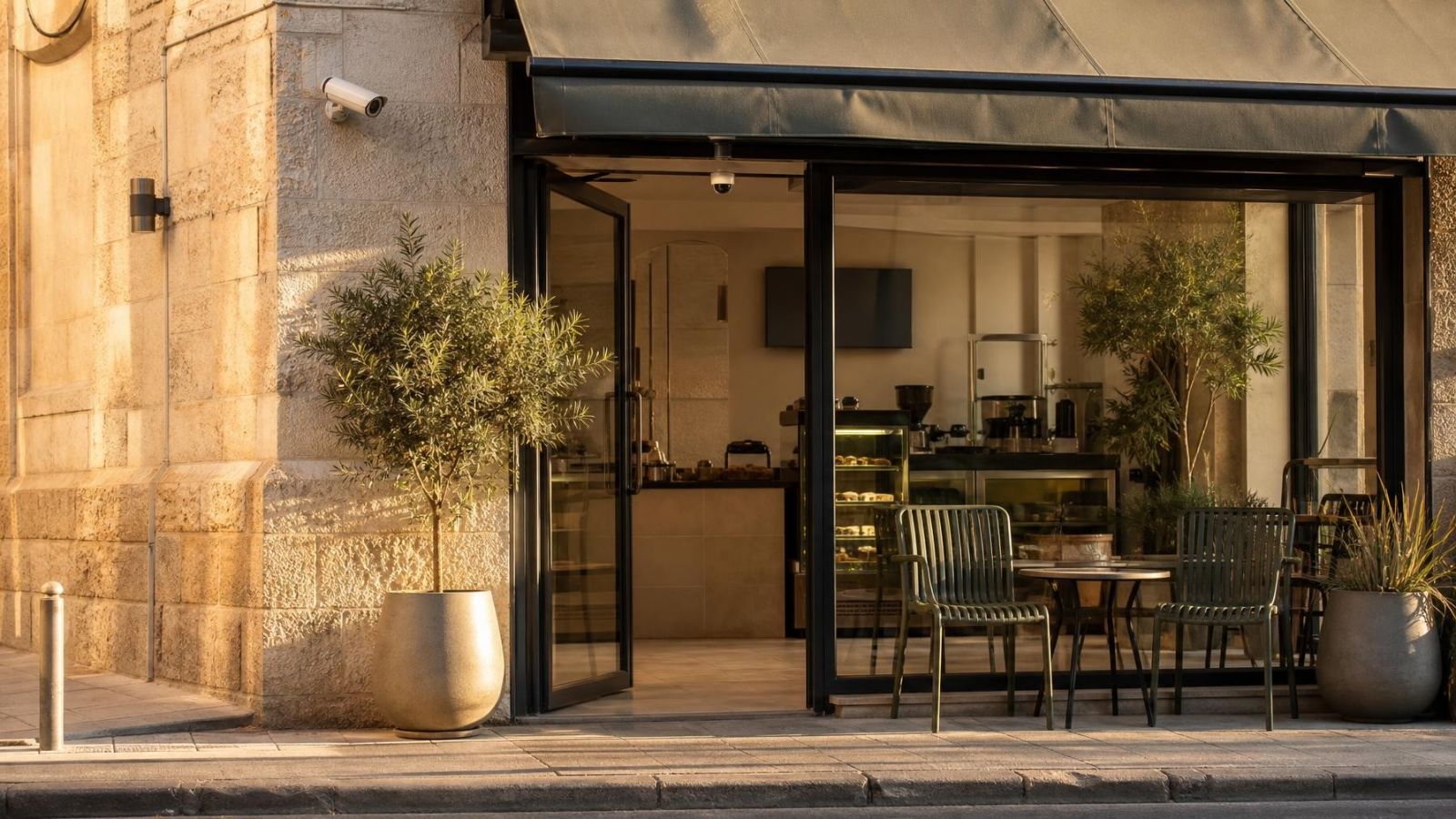
Choose dome, turret or bullet cameras separately for each position. The right housing depends on the mounting surface, cable path, light, weather exposure, aiming needs and access for cleaning. Image quality comes from the camera’s imaging features and installation, not from the housing shape alone.
Choose infrared for discreet monochrome recording in darkness, white light when night-time colour matters and visible illumination is acceptable, and low-light colour only where usable ambient lighting remains available throughout the night.
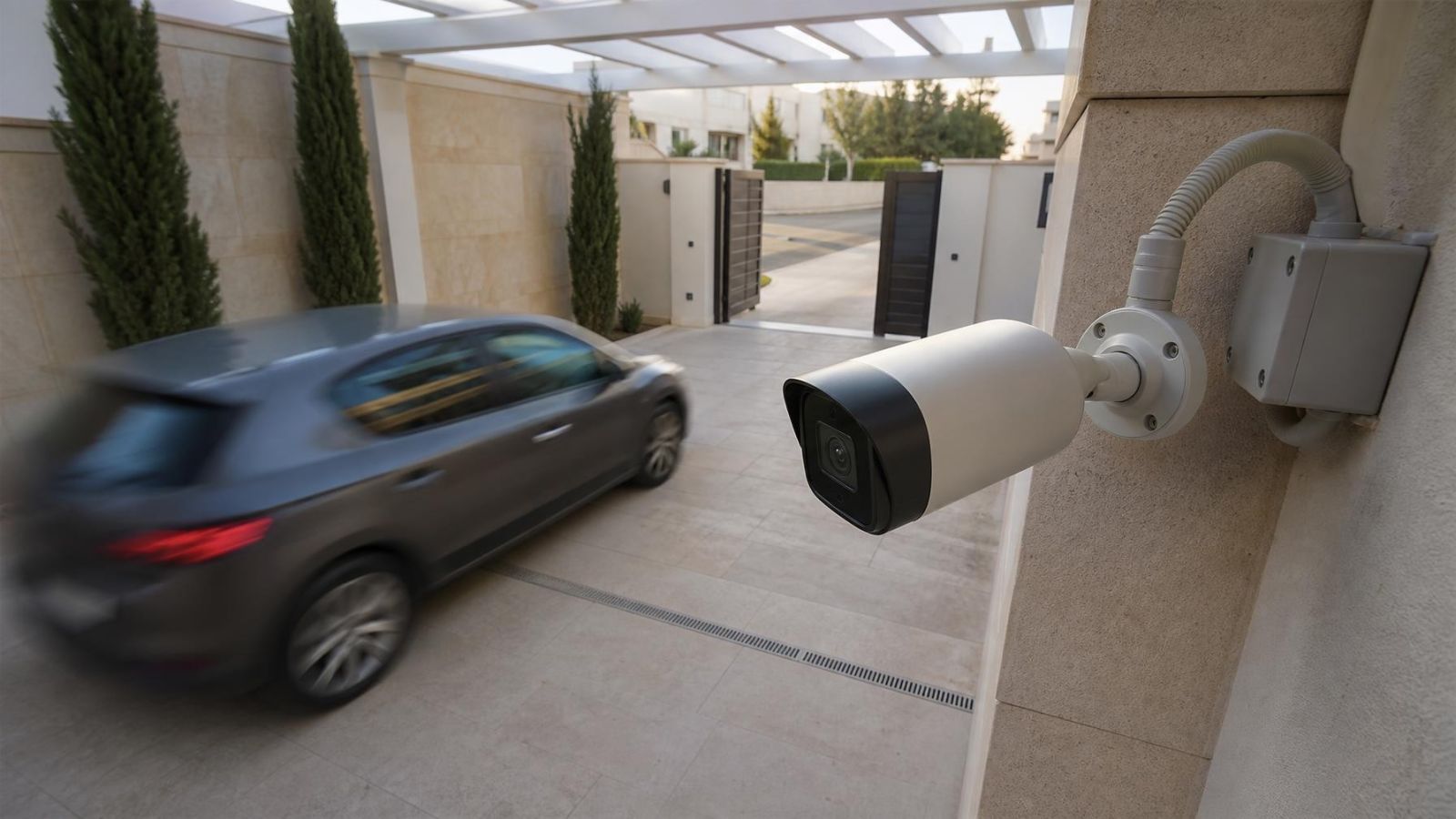
Moving subjects blur because they change position while each video frame is being exposed. The effect becomes stronger when weak light causes the camera to use a slower shutter. Frame rate affects how often movement is sampled, but shutter speed determines how much movement is blurred inside each frame.
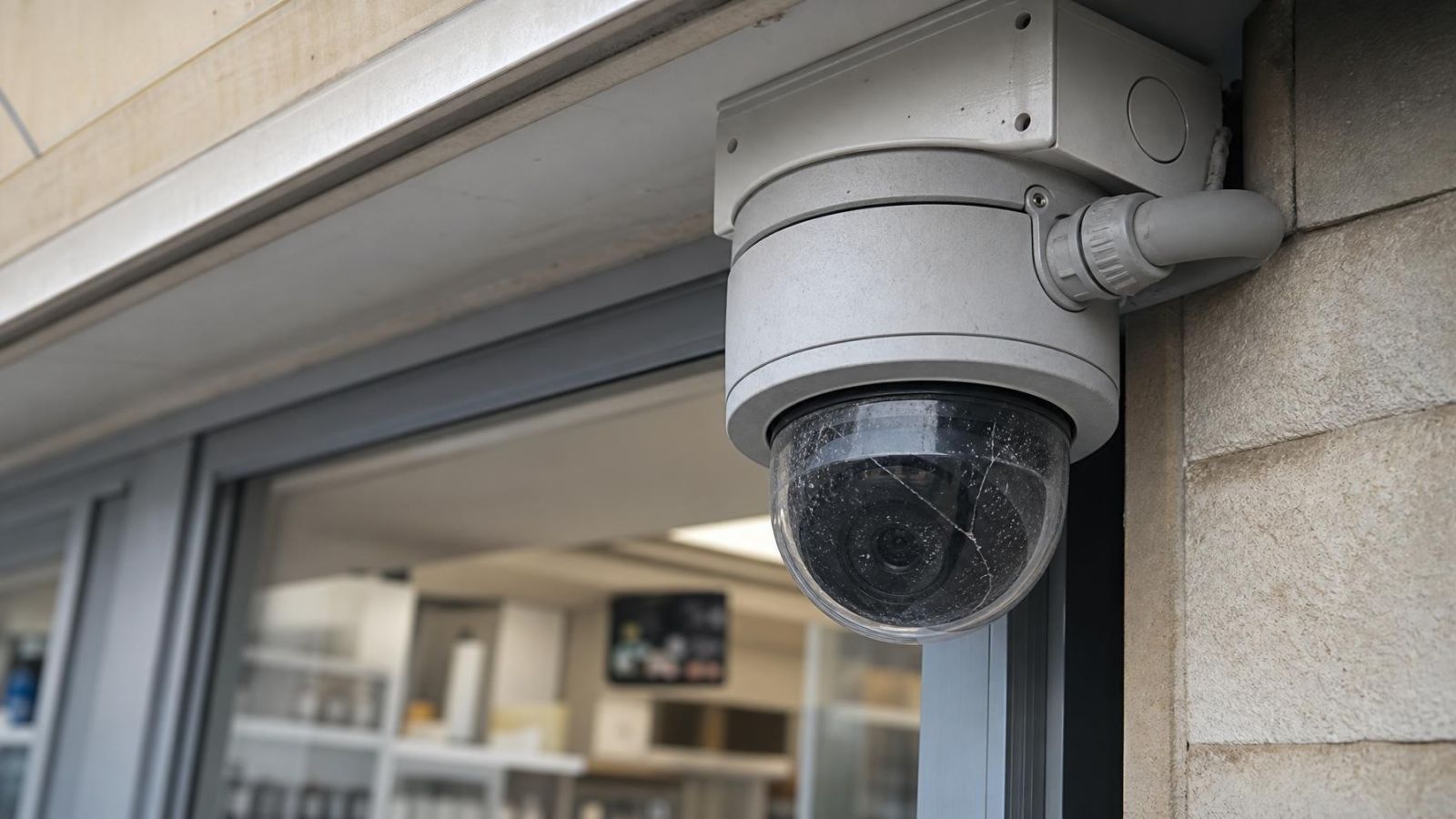
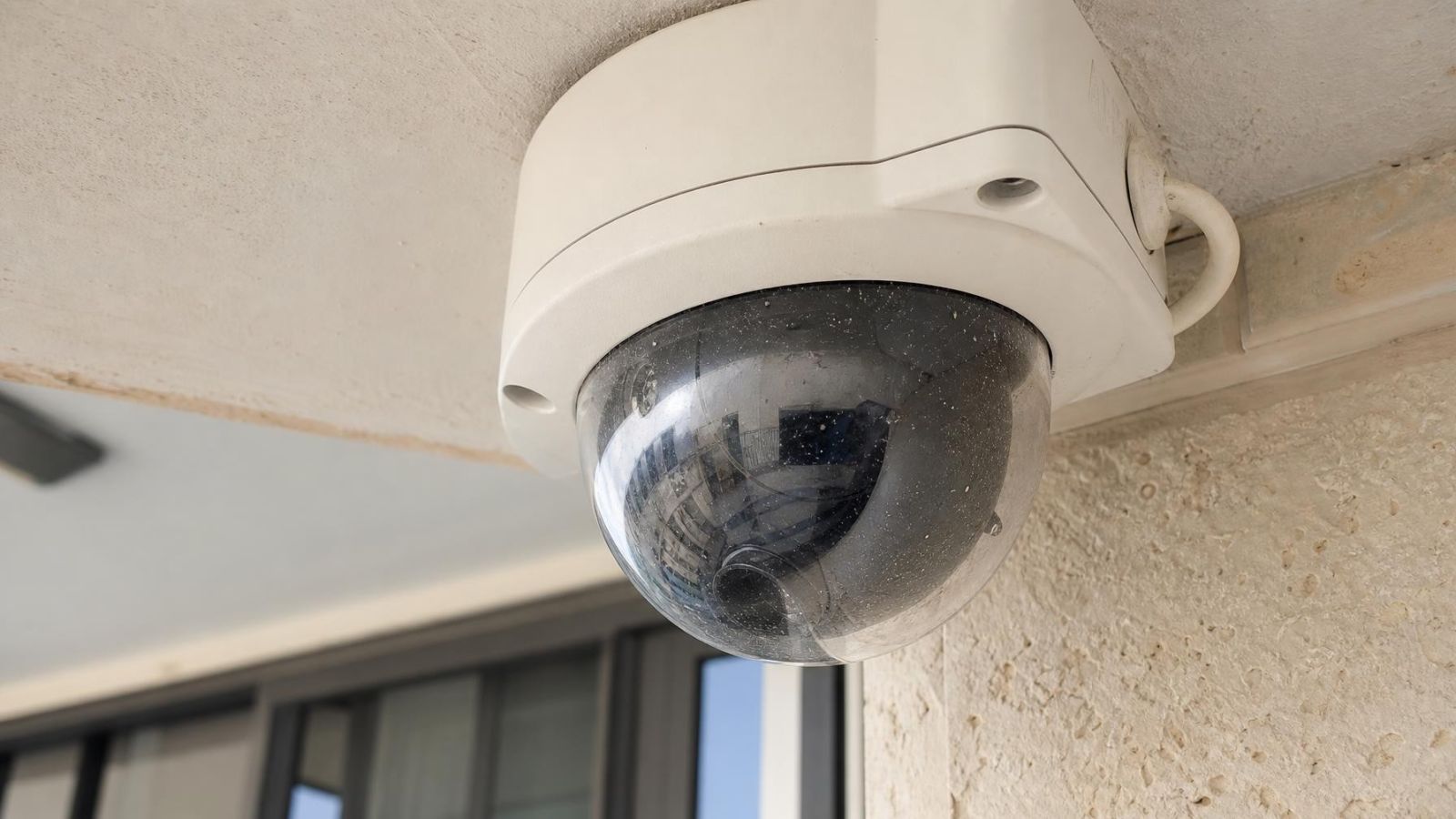
An outdoor camera usually turns hazy or soft because of dirt or residue on the exposed surface, moisture inside the housing, infrared reflection, difficult lighting, a damaged camera cover or incorrect focus. The pattern of the blur—where it appears, when it appears and whether it changes with the weather—usually points to the right cause.
Recorded CCTV often looks worse than live view because the video recorder may store a different stream with a lower bitrate, stronger compression, fewer pixels per frame or a lower frame rate. Motion, difficult lighting and low-quality remote playback can widen the apparent difference.
Choose security camera resolution according to the detail required at the target, not the size of the scene. The lens, field of view, target distance, lighting and recording settings must then preserve that detail. A dedicated, closely framed camera often gives a more useful result than a higher-resolution camera covering a wide area.
For an entrance in strong sunlight, use wide dynamic range to balance the bright exterior and shaded subject. Position and frame the camera first to avoid direct sun, excess sky and glass reflections. Then tune exposure moderately and test recorded footage with people moving through the real entrance.
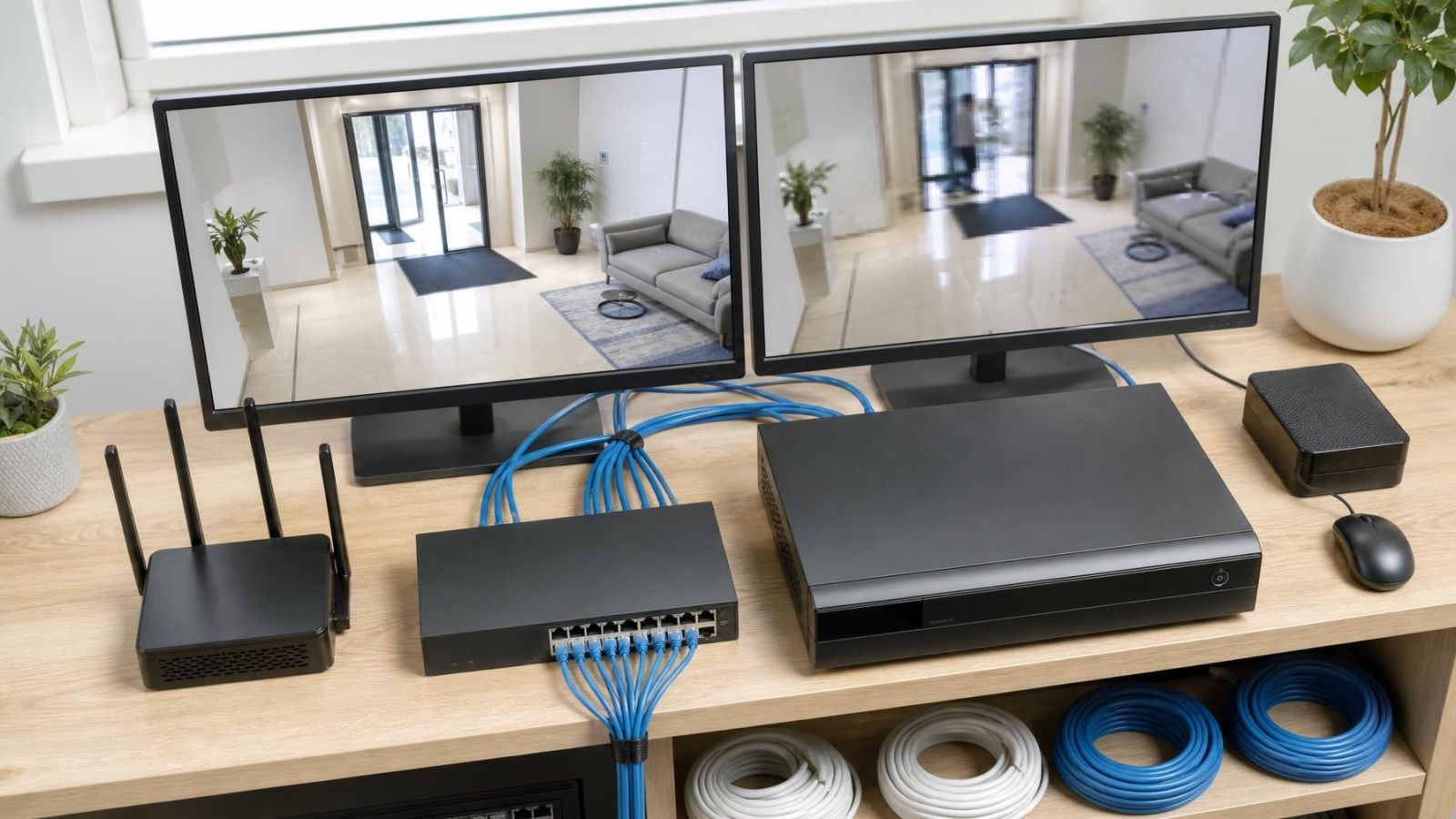
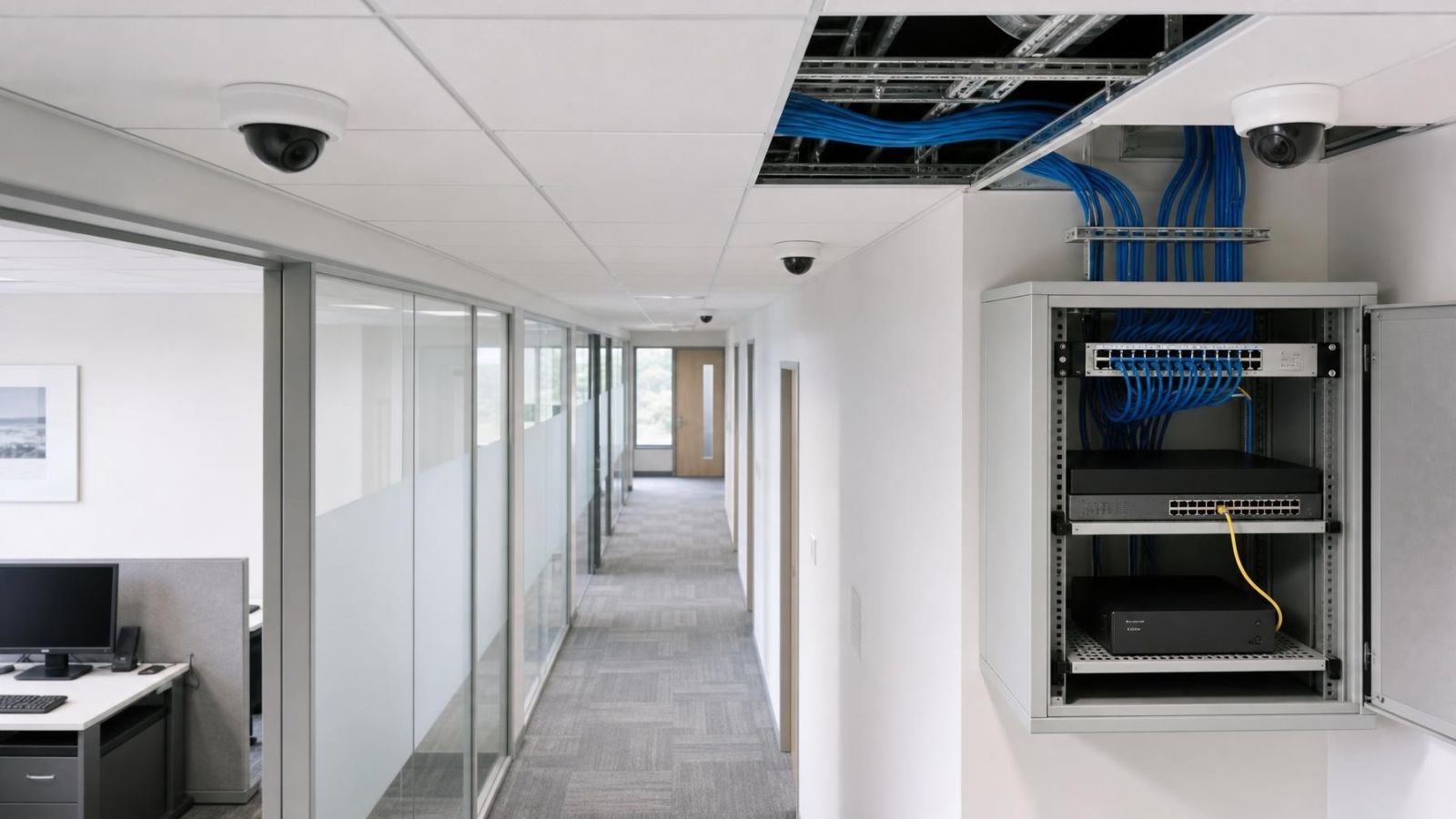
Plan CCTV bandwidth by adding the configured stream bitrates on each shared path, leaving headroom for traffic peaks, and checking the recorder, switch uplinks, wireless segments and internet upload connection separately.
Security camera IR glare happens when the camera’s infrared illumination reflects from glass, nearby surfaces, dirt, droplets or webs back into the lens. Correct placement, clean optical surfaces, separated illumination and testing in full darkness are the practical fixes.
Repair an ageing security camera system when the fault is isolated and the remaining cameras, cabling, power and recording still meet your needs. Replace or upgrade it when recurring failures, weak images, unreliable storage or compatibility limits affect the system as a whole.
Answer a few questions and get a scoped quote — or talk to an engineer today.